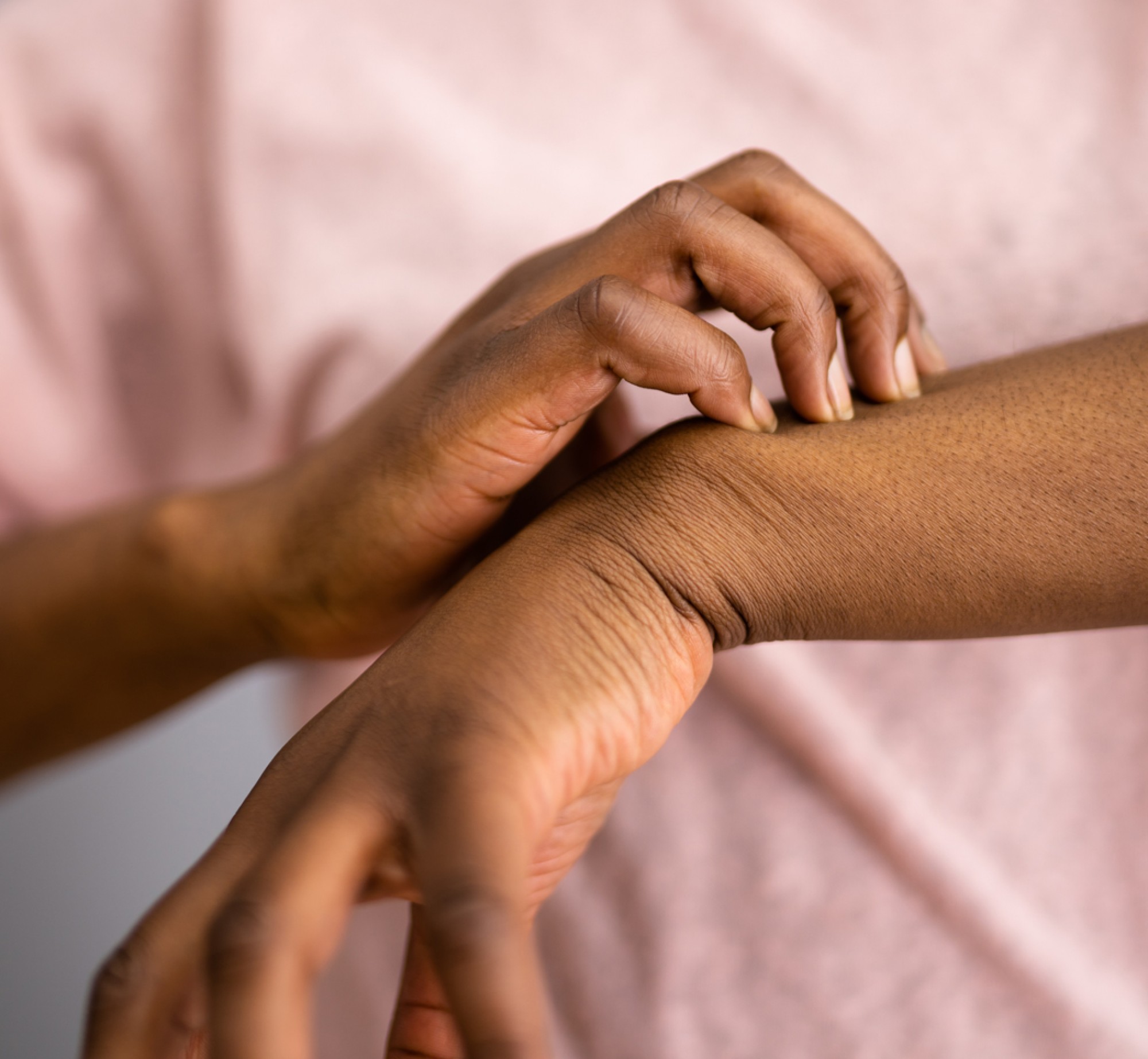
If you’ve ever dealt with persistent redness, flaking around the nose, or stubborn dry patches that seem to return no matter what you try—you are far from alone.
Seborrheic dermatitis (sometimes called “seborrhea” or “seb derm”) is one of the most common conditions I diagnose, yet it’s also one of the most misunderstood.
Many patients tell me things like:
“I thought it was just dry skin.”
“My moisturizer helps a little—but the flakes always come back.”
“I feel oily and dry at the same time… how is that possible?”
This article is here to give you real clarity—what seborrheic dermatitis looks like, why it happens, and what steps can help you feel more in control of your skin.
What Is Seborrheic Dermatitis?
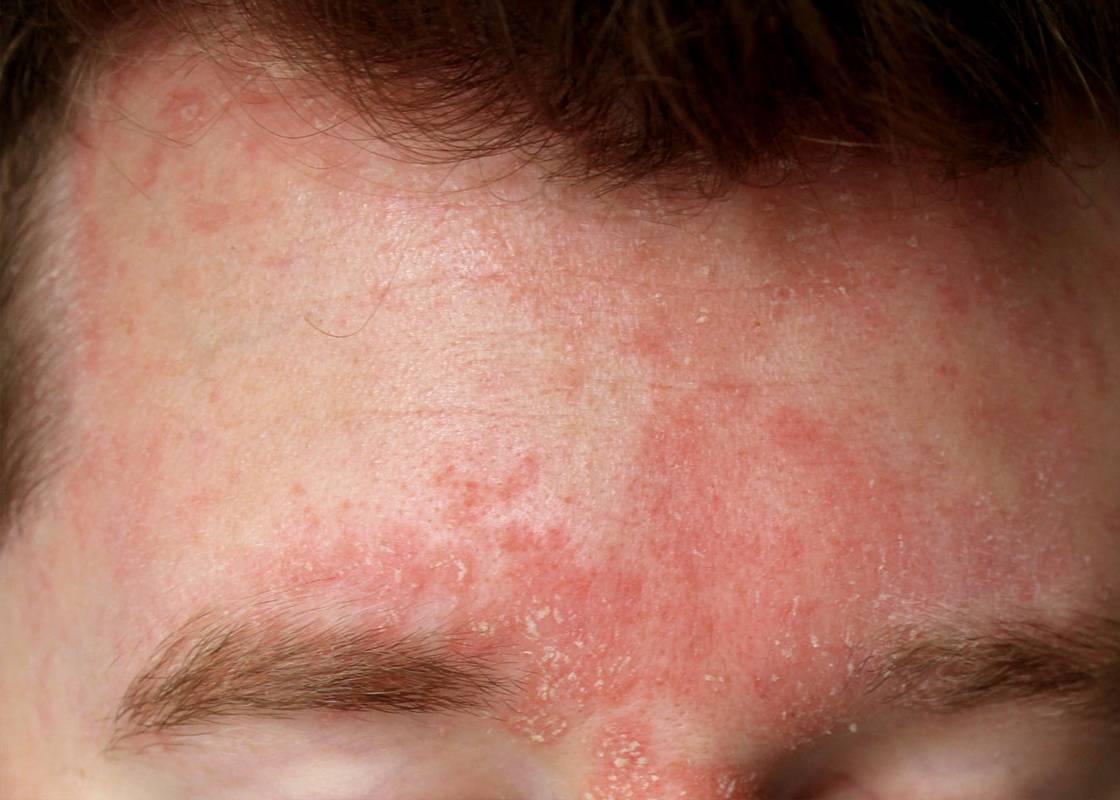
Seborrheic dermatitis is a chronic, inflammatory skin condition that affects areas rich in oil glands—most commonly the face, scalp, eyebrows, forehead, ears, and chest.
It often shows up as:
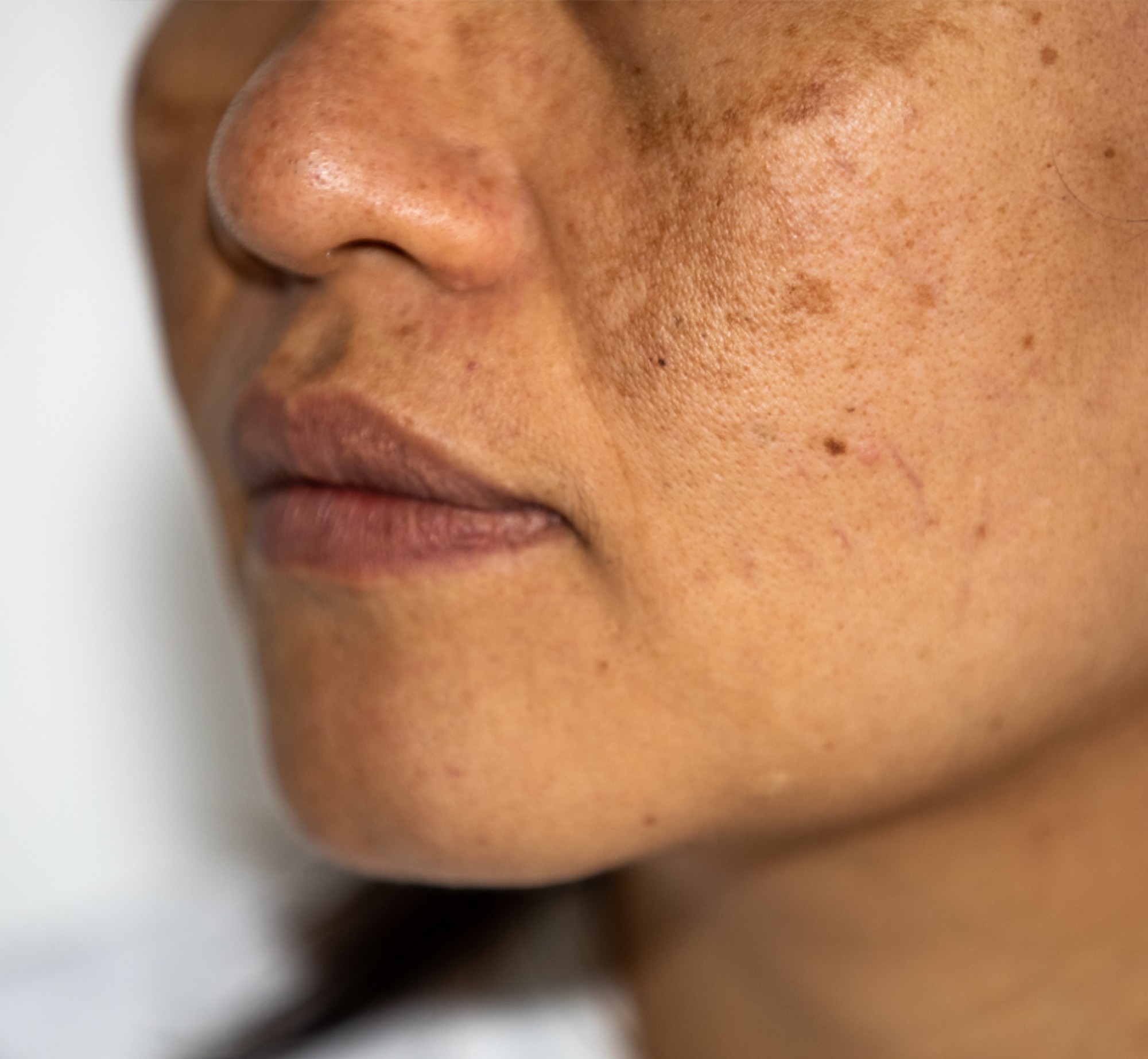
• Red or pink patches
• Greasy scale or flakes
• Itchiness (sometimes)
• Shine + dryness at the same time
• Irritation that worsens in cold weather or stress
Many patients describe it as “dry skin that never ends,” or “dandruff on my face.”
Common Areas Where Seborrhea Appears on the Face
Around the nose and nostrils
Flaking, redness, and a shiny/oily appearance are typical.
Eyebrows and between the brows
Scales that return even after exfoliating.
Forehead and hairline
A common site that people mistake for eczema or irritation from hair products.
Eyelids
Seborrhea can contribute to blepharitis—crusting around the eyelashes.
Beard area (for men)
Redness + “flakes in the beard” are classic signs.
What Causes Seborrheic Dermatitis?
Although there’s no single cause, research points to three main triggers:
Overactivity of a natural skin yeast (Malassezia)
This yeast lives on everyone’s skin, but some people are more sensitive to its byproducts. When it multiplies, the skin becomes inflamed.
A disrupted skin barrier
When the skin barrier is weakened, the face becomes more reactive—leading to redness and flaking.
Genetics & individual susceptibility
Just like acne or allergies, seborrhea often runs in families.
Seborrhea is not a hygiene issue, not contagious, and not caused by “dirty skin.”
That misconception causes so much shame—and it shouldn’t.
Is Seborrheic Dermatitis the Same as “Seborrhea”?
Yes.
Seborrhea → shorthand
Seborrheic Dermatitis → full medical term
Both refer to the same condition.
How Do You Know If It’s Seborrheic Dermatitis and Not Something Else?
Many conditions mimic seborrhea, including:
• Rosacea
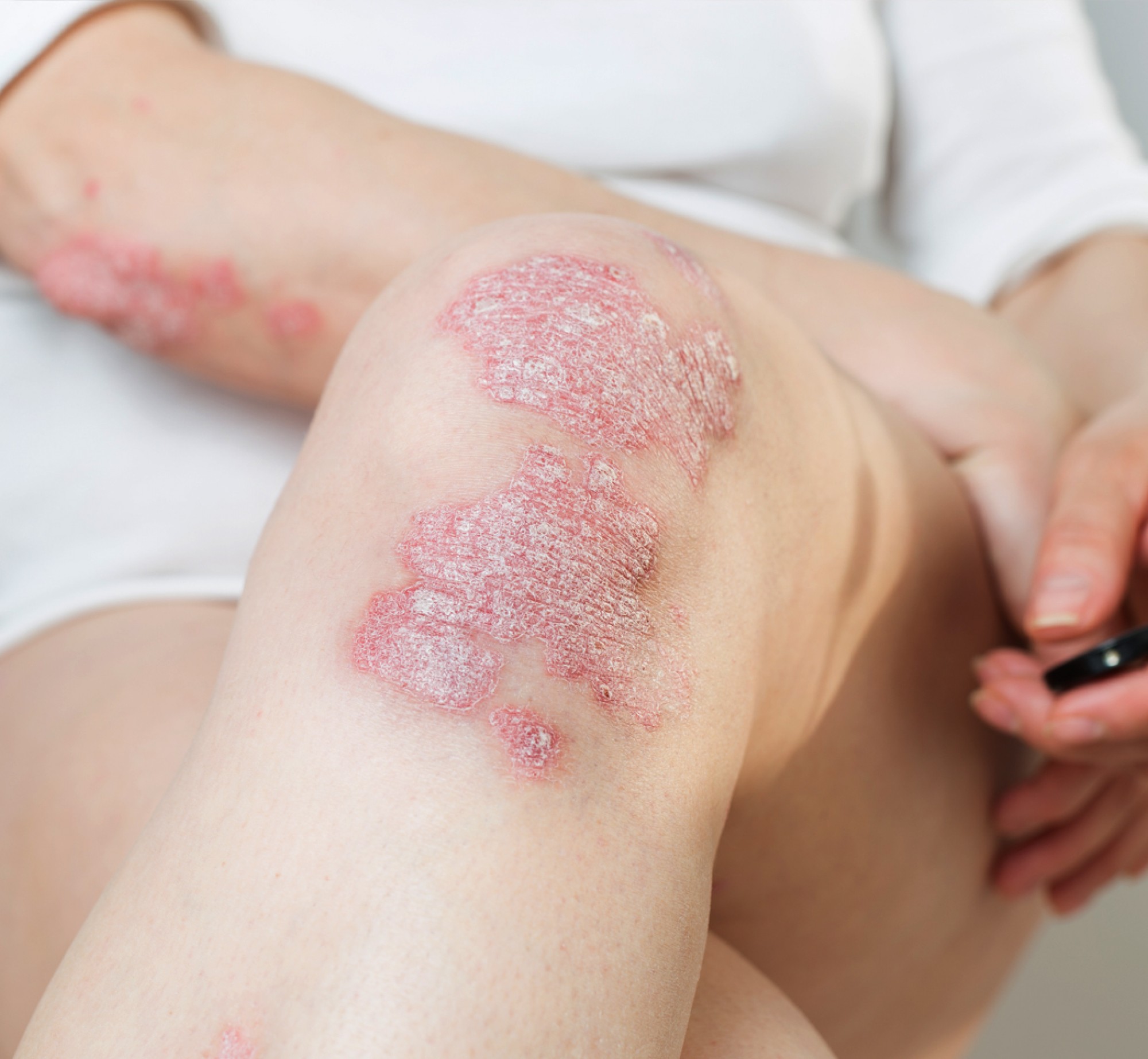
• Psoriasis
• Eczema
• Contact irritation
• Fungal infections
Clues that point toward seborrhea include:
✔️ Greasy scales
✔️ Recurrent flaking in the same areas
✔️ Worsening in winter
✔️ Redness + shine together
✔️ Flaking that improves temporarily, then returns
When in doubt, a dermatologist can give you a clear diagnosis.
Schedule your consultation online or call our office at (470)769-9400 at and let us help you.
Can Seborrheic Dermatitis Cause Pustules?
Yes—some people develop tiny acne-like bumps when the skin gets inflamed.
This often happens:
• Around the eyebrows
• Along the forehead
• In the nasolabial folds
• In the beard area
These bumps are commonly misdiagnosed as acne or rosacea.
What Can You Do to Manage Seborrheic Dermatitison the Face?
Gentle cleansing is key
Avoid harsh scrubs or exfoliators—they can worsen inflammation.
Use fragrance-free moisturizers
Hydration helps calm the barrier and reduce flaking.
Don’t over-wash
Stripping the skin increases oil production and irritation.
Support the skin barrier
Look for products with:
• Ceramides
• Niacinamide
• Hyaluronic acid
Manage triggers
Seborrhea often flares with:
• Cold or dry weather
• Stress
• Illness
• Harsh skincare products
Keeping a “flare diary” can help identify patterns.
Frequently Asked Questions
Is seborrheic dermatitis on the face common?
Extremely—millions of people experience it, often without knowing what it is.
Does seborrhea mean I have oily skin?
Not necessarily. Some patients feel oily and dry at the same time.
Can adapalene help seborrheic dermatitis?
Adapalene is not typically used to manage seborrhea and may irritate sensitive areas. Always discuss retinoids with a dermatologist if you have seborrhea.
Is seborrheic dermatitis contagious?
No. It cannot be spread through contact.
Why does it keep coming back?
Seborrhea is chronic and tends to flare intermittently. The right routine can greatly reduce severity and frequency.
When Should You See a Dermatologist?
You should schedule an appointment if:
• Flaking or redness is persistent
• You develop painful cracks or irritation
• OTC routines aren’t helping
• You’re unsure if it’s seborrhea, rosacea, or eczema, check out this article by Dr. Timani.
A dermatologist can provide a clear diagnosis and individualized plan.
Schedule your consultation online or call our office at (470)769-9400 at and let us help you.
A Final Note for Patients
If you’re dealing with facial redness, flaking, or irritation, I see and support you. Seborrheic dermatitis is incredibly common and absolutely manageable—and you don’t need to navigate it alone.
If you’re in Sandy Springs or the greater Atlanta area, our dermatology team is here to help you understand what’s happening to your skin and guide you toward long-term relief.