







★
★
★
★
★
Gerard Goya - Go to review
Dr. Shereen is a great Dermatologist, she explains and recommends me what is best, what treatment to take and why, and the cost. I am very pleased with her as my Dermatologist, I recommend her to my family and friends.PATIENT REVIEWS
At Springs Dermatology MD in Sandy Springs, we understand how frustrating dark spots, uneven skin tone, and conditions like melasma or post-inflammatory hyperpigmentation (PIH) can be, especially when they don’t fade with over-the-counter products.
Hyperpigmentation isn’t just a cosmetic issue. It often reflects deeper skin processes that require accurate diagnosis and a personalized treatment plan.
Our board-certified dermatologists create safe, evidence-based solutions tailored to your skin type, tone, and lifestyle — so results are gradual, natural, and sustainable.
What Is Hyperpigmentation?
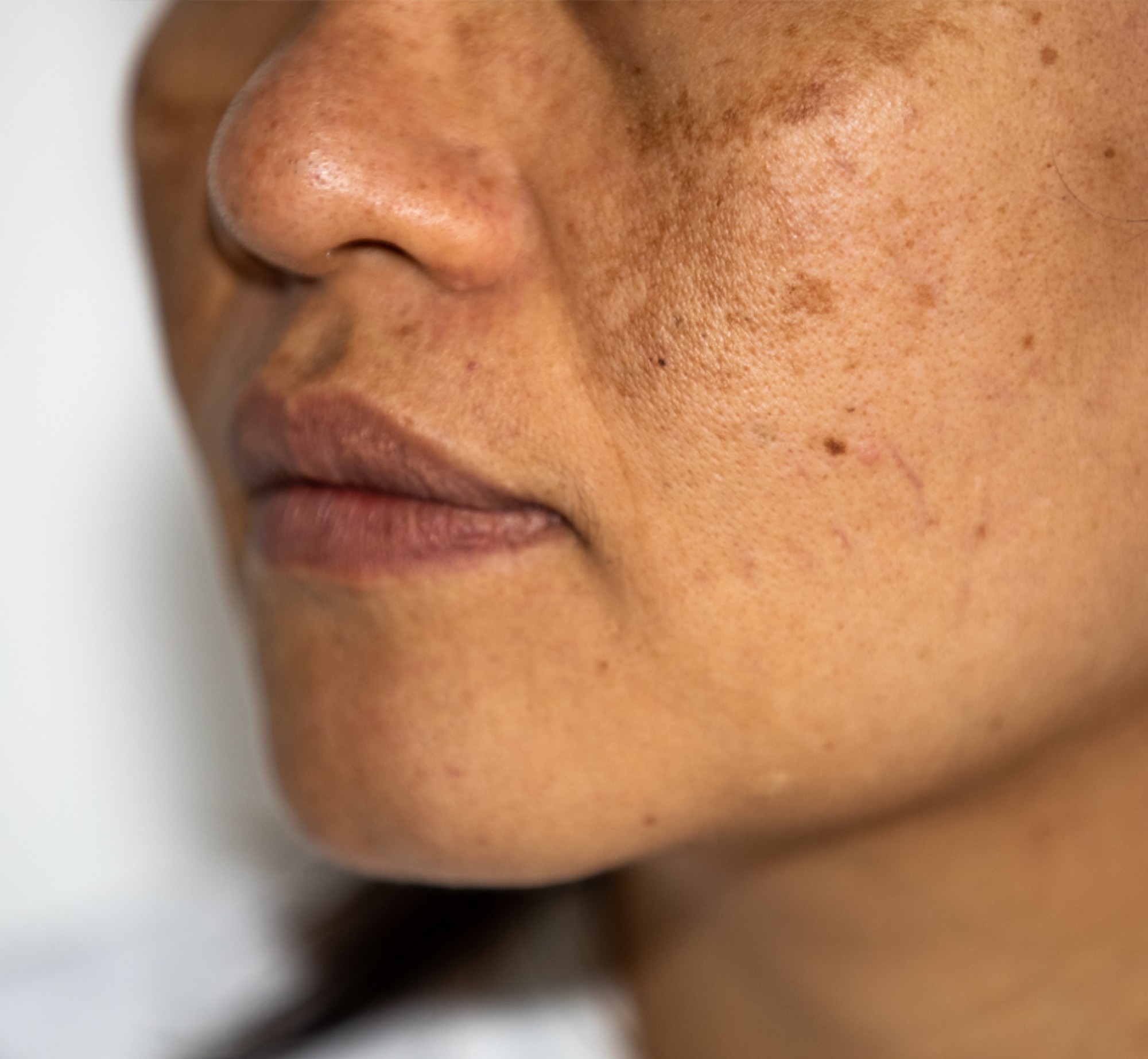
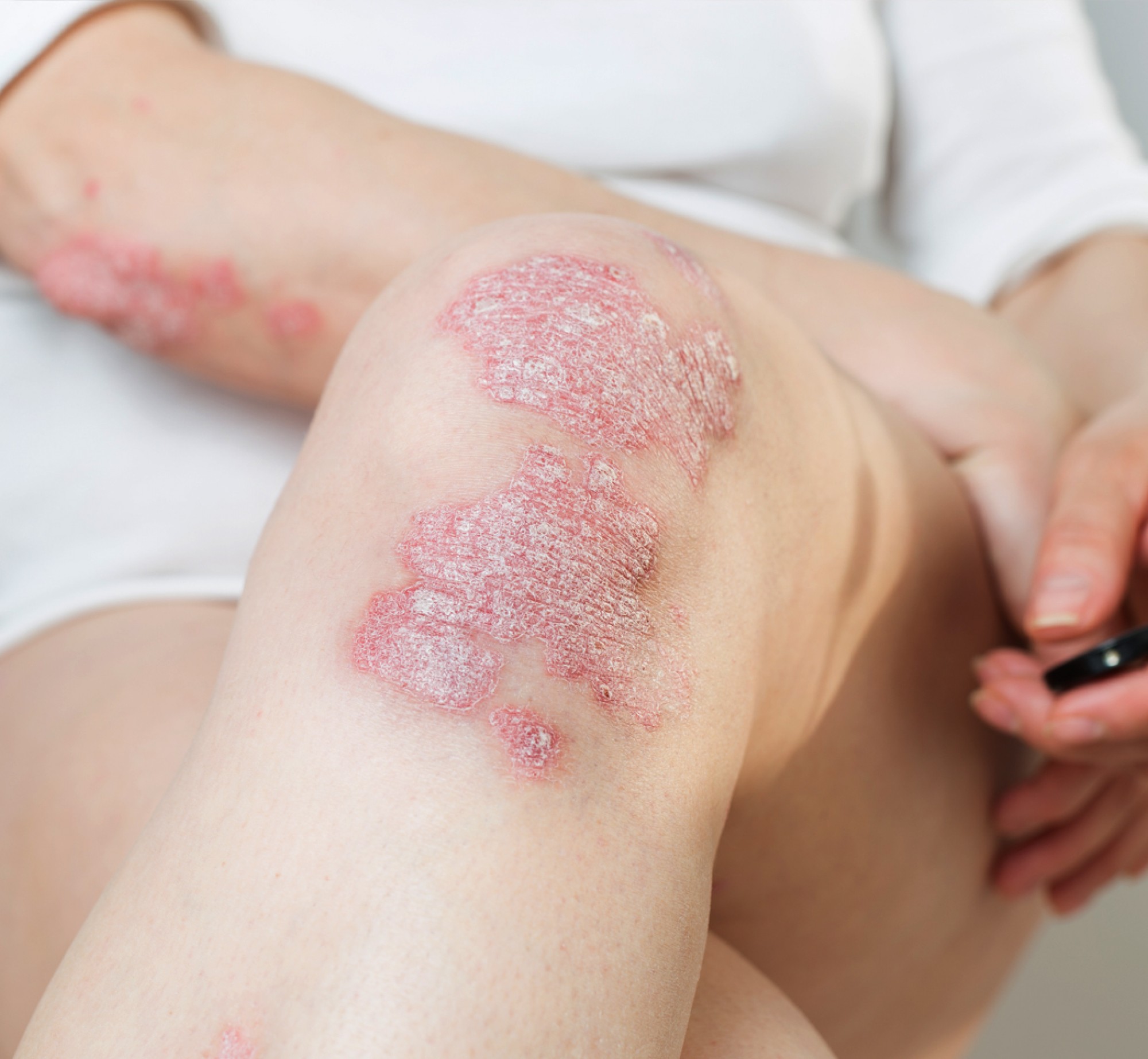
Hyperpigmentation refers to patches or areas of skin that become darker than the surrounding skin due to excess melanin production. Common causes include sun exposure, hormonal changes, inflammation, acne scars, and certain medications. It can appear on the face, neck, hands, and other parts of the body. Although hyperpigmentation is not harmful, it can be frustrating and persistent.
What Causes Hyperpigmentation?
• Sun exposure
• Hormones (melasma)
• Acne & inflammation (PIH)
• Medications or skin injury
Types of Hyperpigmentation We Treat
• Melasma
• Sun spots / age spots
• Uneven skin tone in skin of color
Why Treating Hyperpigmentation Requires Medical Expertise
Hyperpigmentation is not one-size-fits-all
Conditions like melasma, post-inflammatory hyperpigmentation (PIH), and sun spots behave differently and require different treatment strategies.
Aggressive treatment can cause "Rebound Darkening"
Over-strong peels, lasers, or improper product use can trigger inflammation, leading pigment to return darker than before.
Skin of color requires added caution
Higher melanin activity means pigment can be more reactive, increasing the risk of post-treatment darkening without proper medical oversight.
A conservative, staged approach delivers safer results
Treatment plans are built gradually—calming inflammation, protecting the skin barrier, selecting appropriate in-office depth, and adjusting early to prevent irritation or setbacks.
Accurate Diagnosis for Effective Treatment
When needed, we use advanced diagnostic tools to guide treatment, such as:
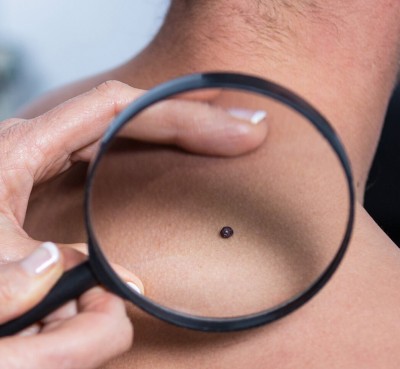
• Dermatoscopy to evaluate pigment patterns and depth
• Wood’s lamp evaluation to assess deeper pigmentation
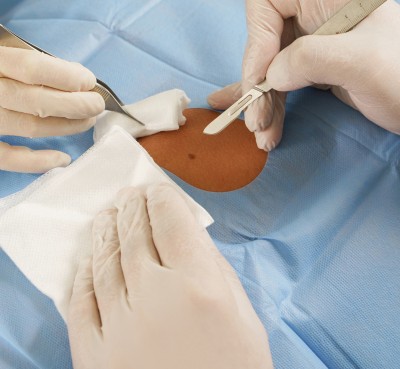
• Skin biopsy in select cases to rule out other conditions
• Follow-up skin evaluations to track progress and adjust your plan
What Is Rebound Hyperpigmentation?
Rebound hyperpigmentation is when dark spots return, or look darker than before, after a treatment or product irritates the skin. It is more common with melasma and in skin of color, where pigment can be more reactive. At Springs Dermatology MD, our goal is to reduce this risk by choosing the right treatment depth, spacing sessions appropriately, and supporting the skin barrier throughout the process.
Common reasons rebound darkening can happen include:
• Overly aggressive lasers
• Heat and inflammation can trigger more melanin production.
• Strong peels used too soon
• Product irritation or overuse
Treating the wrong pigment type
At Springs Dermatology MD, we reduce this risk by using a conservative, dermatologist-led plan that protects the skin barrier and adjusts early if your skin becomes sensitive.
Dermatologist-Led Hyperpigmentation Treatment Options
Medical Approach
Cosmetic Approach
Why Our 360-Degree Approach Matters
When to See a Dermatologist for Dark Spots or Melasma
Ongoing Support for Your Skin's Journey
Ready to Reveal a More Even Skin Tone?
★
★
★
★
★
Gerard Goya - Go to review
Dr. Shereen is a great Dermatologist, she explains and recommends me what is best, what treatment to take and why, and the cost. I am very pleased with her as my Dermatologist, I recommend her to my family and friends.PATIENT REVIEWS