I get asked a lot of questions about tattoos—especially from parents of teens and from people who are thinking about getting their first tattoo but are nervous about the “what ifs.”
This is my second blog article on tattoo reactions, and in this one I’ll take a deeper dive into your biggest concerns and FAQs: Are swollen lymph nodes after a tattoo normal? Can tattoos cause skin problems long-term? What about cancer, infections, or rashes that show up years later?
My goal is to help you understand what’s normal, what’s not, and when it’s worth seeing a dermatologist, so you’re not left alone Googling symptoms and imagining the worst.
Normal Tattoo Reactions During the Healing Phase
Most tattoos go through predictable stages of healing. Common, expected symptoms include:
• Mild swelling for a few days
• Redness that gradually improves
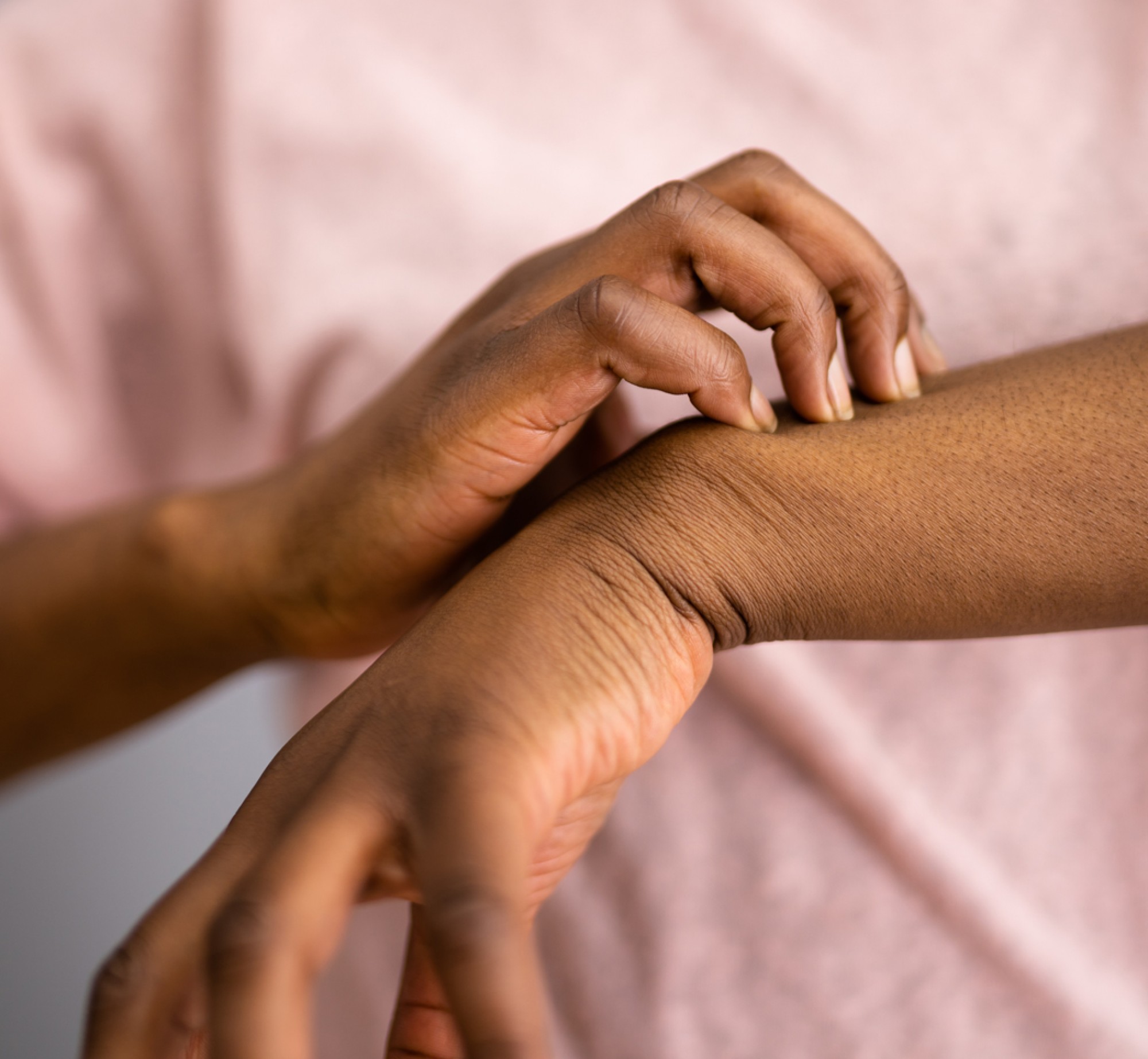
• Itching as new skin forms
• Light peeling or flaking
• Mild lymph node tenderness near the tattoo
These reactions usually resolve as the skin heals and the immune system processes the pigment.
Swollen Lymph Nodes After a Tattoo — What It Means
Tattoos can temporarily activate your lymph nodes. Because ink particles travel through the lymphatic system, nearby lymph nodes may become slightly enlarged as they filter pigment and inflammation.
Swollen lymph nodes are usually normal when:
• They appear shortly after getting the tattoo
• They’re small, soft, and not painful
• They improve as the tattoo heals
They may need evaluation if:
• They stay enlarged longer than 3–4 weeks
• They become hard, painful, or continue to grow
• They’re accompanied by fever or spreading redness
Most cases are harmless and related to your immune system—not infection. Consult with your primary physician or dermatologist if you have any concerns or symptoms worsen.
Tattoo Irritation or Rash — What’s Causing It?
Rashes around tattooed skin are common and can happen for several reasons:
Common causes of tattoo-related rashes:
• Friction from clothing or sports bras
• Heat, sweating, or humidity
• Sensitive skin reacting to aftercare products
• Mild irritation from pigment
• Dryness during healing
A rash may need attention if:
• It spreads beyond the tattoo
• It becomes painful or blistered
• It lasts more than two weeks
• It’s accompanied by fever
Most mild rashes improve with gentle care and time.
When Is a Tattoo Infection Possible?
Infections are less common than people think. But they can happen if bacteria enter the skin during or shortly after getting tattooed.
Signs that may suggest infection include:
• Worsening pain after Day 3–4
• Spreading warm, red streaks
• Thick yellow or green drainage
• Fever or chills
• Rapidly enlarging swelling
These symptoms usually appear within the first week, not immediately after the tattoo session.
Long-Term Reactions — Months or Years Later
Some people experience skin changes long after the initial healing period.
Delayed reactions may include:
• Thickened or raised patches (granulomas)
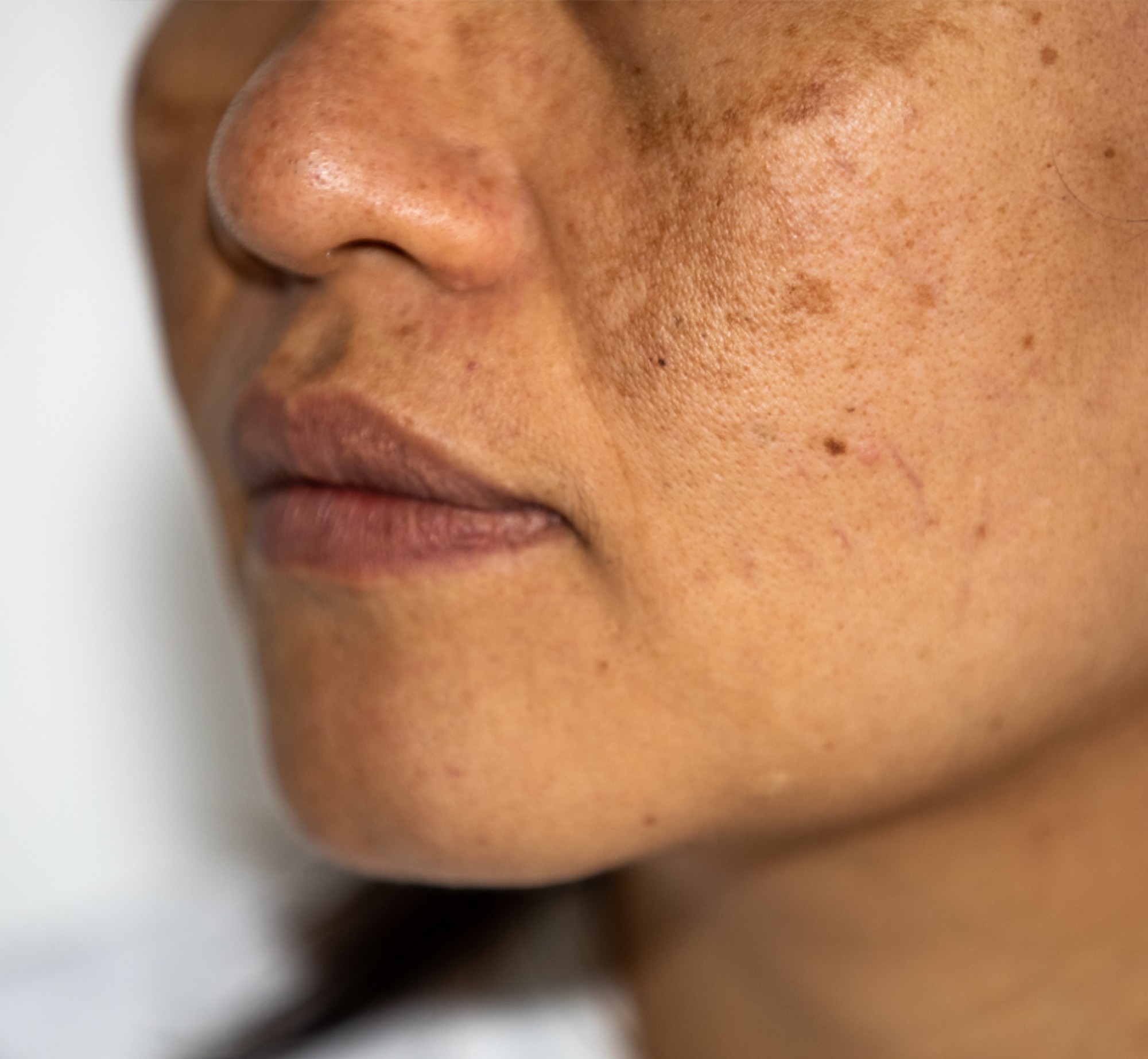
• Allergic reactions to certain ink colors, especially red
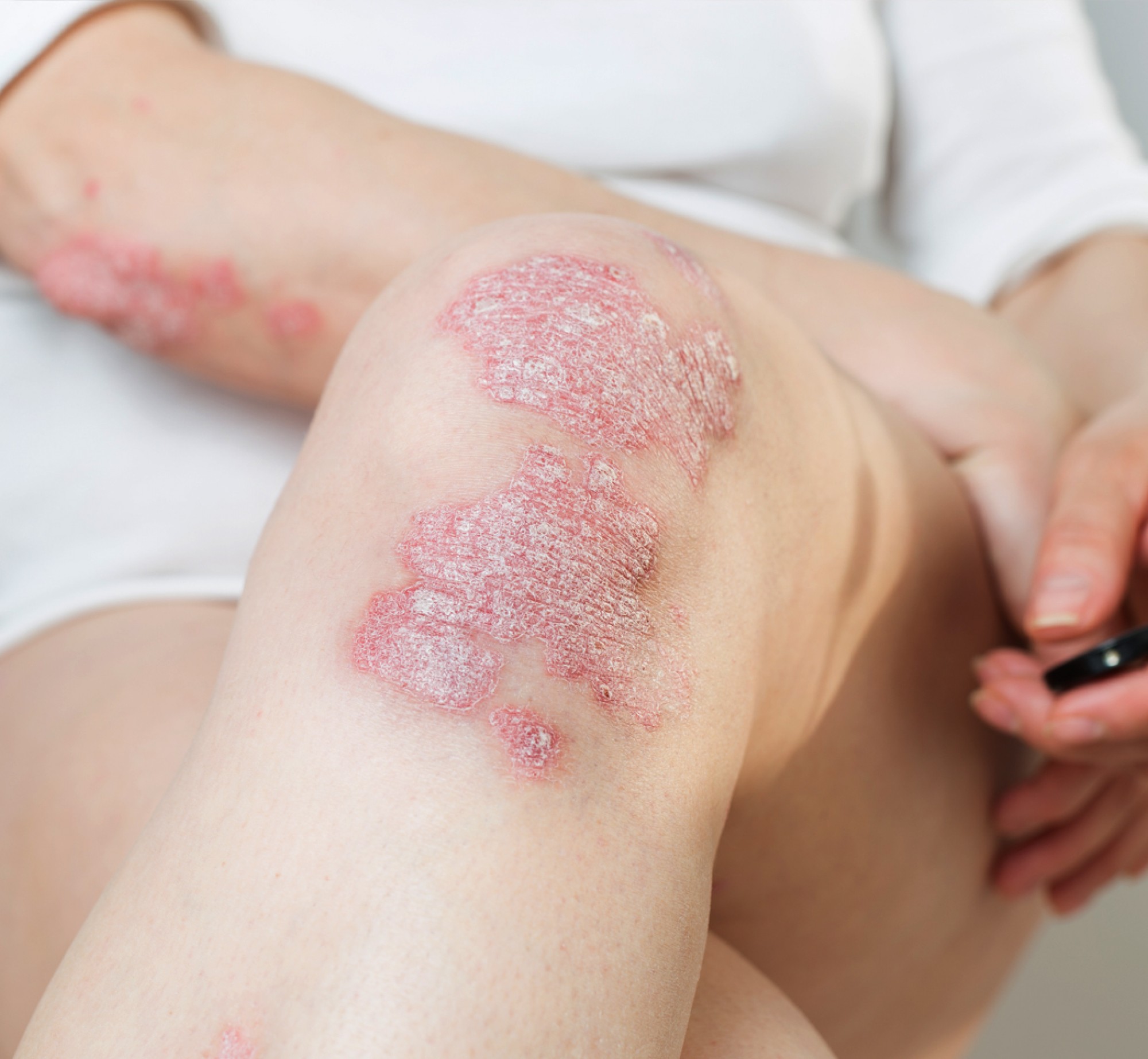
• Eczema or psoriasis flares over tattooed skin
• Keloids or hypertrophic scarring
• Sensitivity during sun exposure
These reactions are typically not dangerous but may be persistent.
Tattoo Cancer Concerns — What’s Myth vs Reality
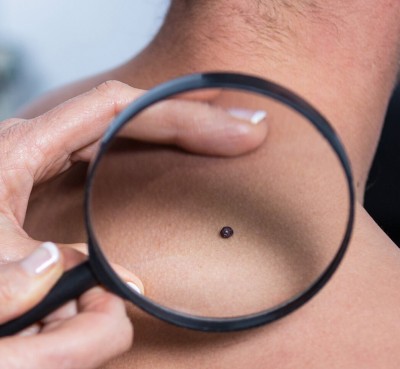
There is no evidence that tattoos cause skin cancer. However, tattoos can make it harder for patients to notice changes in existing moles underneath the ink.
What is not cancer:
• Raised bumps from allergic reactions
• Granulomas
• Keloids
• Thickened healing skin
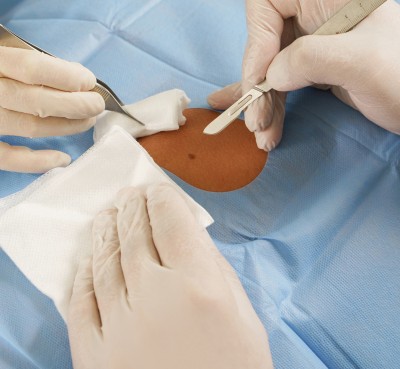
When to get a skin check:
• A mole inside a tattoo changes in size or color
• A new growth develops under a tattoo
• A spot does not heal over time
Routine skin checks are always a good idea for anyone with tattoos.
Can Tattoos Cause Skin Problems?
Yes — tattoos can trigger reactions in certain people, especially those with sensitive or reactive skin.
Possible issues include:
• Allergic responses to ink
• Eczema flare-ups
• Dermatographism (skin writing)
• Light sensitivity over pigment
• Granulomas or nodules
Most of these reactions are manageable once correctly diagnosed.
What’s Normal vs. What’s Not — Quick Guide
Normal Reactions
• Mild swelling
• Light redness
• Itching
• Peeling
• Temporary lymph node tenderness
Not Normal
• Spreading redness
• Fever
• Increasing pain after Day 3
• Persistent swollen lymph nodes
• Oozing or foul smell
• Sudden swelling long after healing
If something doesn’t feel right, it’s always appropriate to get checked.
When to See a Dermatologist
You should seek evaluation if:
• A rash or swelling isn’t improving
• Lymph nodes stay enlarged longer than expected
• You notice new bumps months or years later
• The tattoo becomes painful, hot, or unusually raised
• You’re unsure whether symptoms are normal
A dermatologist can determine whether the reaction is from irritation, an allergic response, delayed inflammation, or something unrelated to the tattoo.
Final Thoughts From Our Dermatology Team
Tattoo reactions are common—and most are not serious. Understanding what’s normal versus what needs attention can help you feel calmer and more confident during the healing process.
If you're in the Sandy Springs or Atlanta area, the team at Springs Dermatology MD is here to help evaluate tattoo reactions, rashes, lymph node concerns, and any unexpected skin changes. We provide personalized guidance to support both healing and long-term skin health.
Schedule a consultation if you'd like a professional evaluation of your tattoo or any skin reaction.