Warmth, moisture, friction, and skin folds — together, they create a perfect environment for irritation. If you’re experiencing redness, itching, burning, odor, or peeling under the breast, you may be dealing with intertrigo, one of the most common skin fold conditions we see in dermatology.
Although the symptoms can feel embarrassing or uncomfortable, you are far from alone, and understanding the condition is the first step to feeling better.
This guide explains what intertrigo is, why it happens, how to recognize it, what home-care approaches many people rely on, and when to seek professional evaluation.
What Is Intertrigo?
Intertrigo is inflammation that develops in areas where skin touches skin. Common locations include:
• Under the breasts
• Armpits
• Groin
• Abdomen folds
• Inner thighs
• Between the buttocks
These areas trap heat and sweat, making the skin more susceptible to irritation. Once the barrier becomes disrupted, yeast or bacteria can sometimes thrive, worsening the discomfort. Intertrigo is very common, affects people of all ages and body types, and is nothing to be ashamed of.
Take a deeper dive into understanding intertrigo—from misdiagnoses and misconceptions to FAQs and treatment options.
Rash Under the Breast? These Can be Signs of Intertrigo
The rash can vary from person to person, but typical intertrigo symptoms include:
• Redness or discoloration
• Itching or burning
• A raw or irritated appearance
• Odor, especially if yeast is present
• Soft, moist, or weepy skin
• Peeling or mild cracking
• Small bumps around the edges of the rash
These symptoms directly match many of the top search queries such as “rash under breast,” “intertrigo rash,” and “yeast under breast.”
Is Intertrigo Contagious?
No, intertrigo itself is not contagious. It is caused by skin friction, moisture, and heat — not by something spread through contact.
However, sometimes the irritated area may become complicated by yeast, which thrives in warm, moist environments. Even in these cases, it is not typically spread from person to person. It simply takes advantage of the conditions in the skin fold.
This addresses common searches like “is intertrigo contagious” and “intertrigo contagious.”
What Causes a Rash Under the Breast?
Intertrigo is triggered by several factors working together:
• Heat and sweating
• Skin rubbing against skin
• Humidity
• Tight or non-breathable bras
• Larger or deeper skin folds
• Hormonal changes
• Diabetes
• Physical activity or hot weather
When moisture stays trapped, the skin becomes irritated, and the natural barrier breaks down.
Intertrigo vs. Other Rashes (Yeast, Eczema, Psoriasis)
Many patients confuse intertrigo with other rashes because symptoms can overlap.
Intertrigo
Inflammation from heat, moisture, and friction.
Yeast-related rash
Often appears with intertrigo. May be itchier with small "satellite" bumps.
Eczema
Usually dry and flaky rather than moist. Read more about eczema.
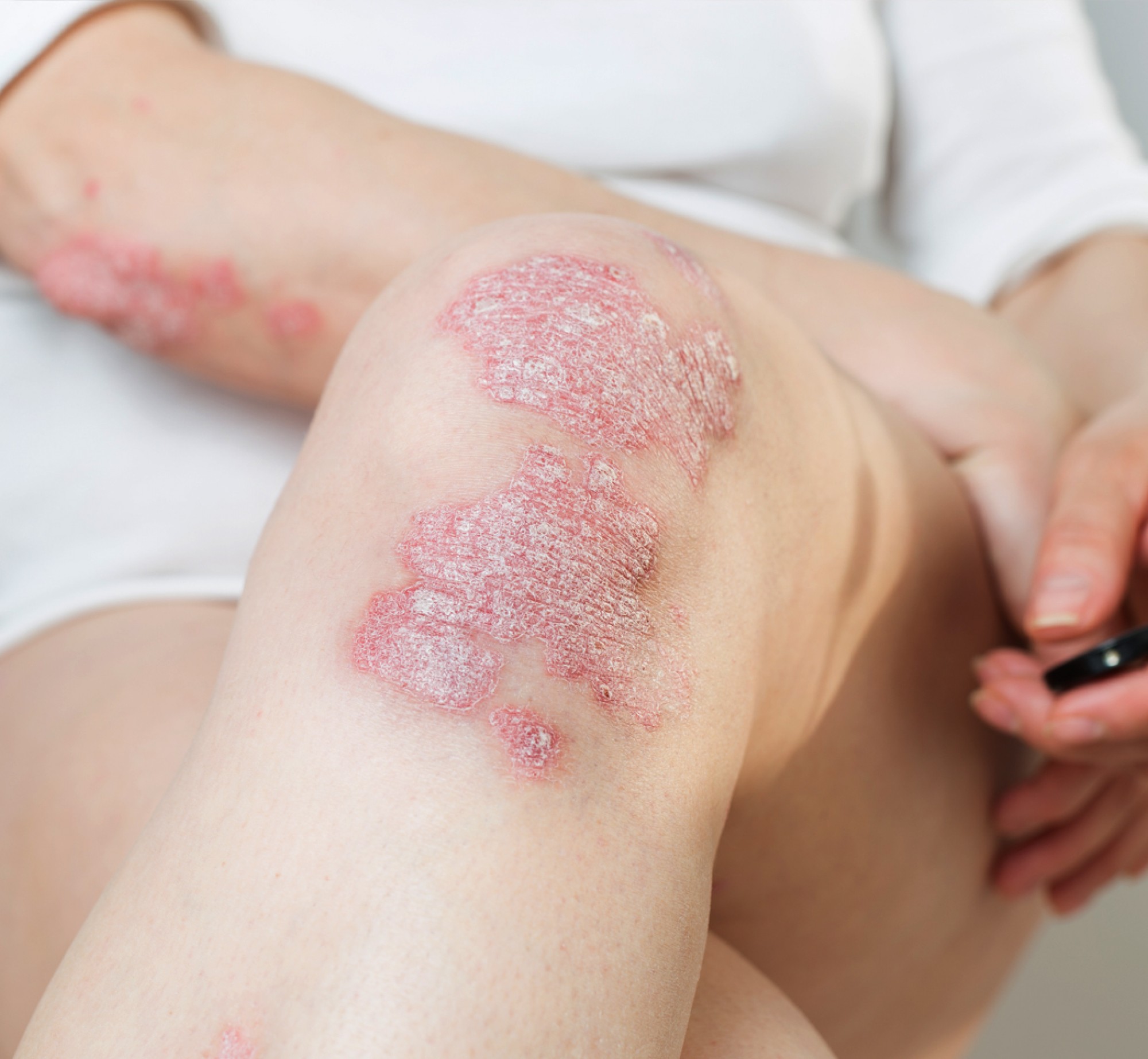
Psoriasis
Red, inflamed areas but typically smooth in skin folds (“inverse psoriasis”).
A dermatologist can easily differentiate these conditions during an exam.
Intertrigo Treatment (General Measures Many People Use)
Intertrigo often improves by focusing on reducing moisture and friction. While everyone’s skin is different, here are some general measures that many individuals find helpful:
1. Keeping the area dry
Gently drying the skin folds after bathing or sweating can reduce irritation. Some people use a fan or cool air setting from a blow dryer (never hot).
2. Wearing breathable clothing
Cotton bras or moisture-wicking fabrics may help reduce heat and sweat.
3. Reducing friction
Non-medicated barrier methods, such as powders or moisture-absorbing fabrics, are sometimes used to reduce rubbing.
4. Monitoring for yeast or bacteria
Because yeast can grow in moist folds, some individuals try over-the-counter yeast-targeting products.
However, not every rash under the breast is yeast-related, so responses vary.
If symptoms do not improve or worsen, a professional evaluation is important to determine the true cause.
When Medical Care Is Helpful
There are times when intertrigo needs dermatologist-guided care, especially if:
• The rash lasts more than 1–2 weeks
• There is odor, thick scaling, or cracking
• The rash is painful
• Over-the-counter options are not helping
• The rash is recurrent or severe
A dermatologist may recommend strategies based on whether the inflammation is caused by friction, yeast, bacteria, or another condition entirely.
Care plans are personalized, not all rashes respond to the same approach.
How to Help Prevent Intertrigo
While not all cases can be prevented, many patients find these habits helpful:
• Keeping skin folds dry after showering
• Wearing breathable, soft fabrics
• Avoiding tight bras or clothes
• Changing sweaty clothing promptly
• Maintaining gentle skincare routines
These approaches may help limit flare-ups.
We’re Here to Help You Feel Comfortable in Your Skin
Intertrigo is extremely common, yet it can impact comfort, confidence, and quality of life. The good news is that with proper guidance, most people experience relief and learn how to better manage flare-ups.
If you're in the Sandy Springs or Atlanta area, the team at Springs Dermatology MD — including myself, Dr. Zack Charkawi and PA-C, Anna Vonck — is here to help evaluate your symptoms and create a personalized plan tailored to your skin’s needs. You don’t have to manage this alone.
Schedule your consultation online or Call our office and let us help you feel comfortable in your skin again.