Menopause Skin Changes: What to Expect and How to Care for Your Skin
I get asked about menopause and skin changes almost every week—by patients, friends, and even my own family. Women often notice that their skin feels drier than usual, fine lines seem deeper overnight, or their hair suddenly starts thinning.
A few days ago, my sister called and said, “Is this normal? I feel like my skin has changed so quickly—could this be menopause?”
If you’re asking similar questions, you’re definitely not alone. Skin changes during perimenopause and menopause are extremely common, but most women are not prepared for them. Many don’t know what symptoms to expect—or whether what they’re experiencing is normal.
This guide explains why your skin changes during menopause, what those changes look like, and how to support your skin and hair during this transition.
Why Do Skin Changes Happen During Menopause?
During perimenopause and menopause, estrogen levels naturally decline. Because estrogen plays a major role in keeping your skin hydrated, elastic, and firm, lower hormone levels affect your skin in several ways.
The most common skin changes during menopause include:
• Dry, rough, or thinning skin Loss of elasticity, leading to more visible lines and sagging
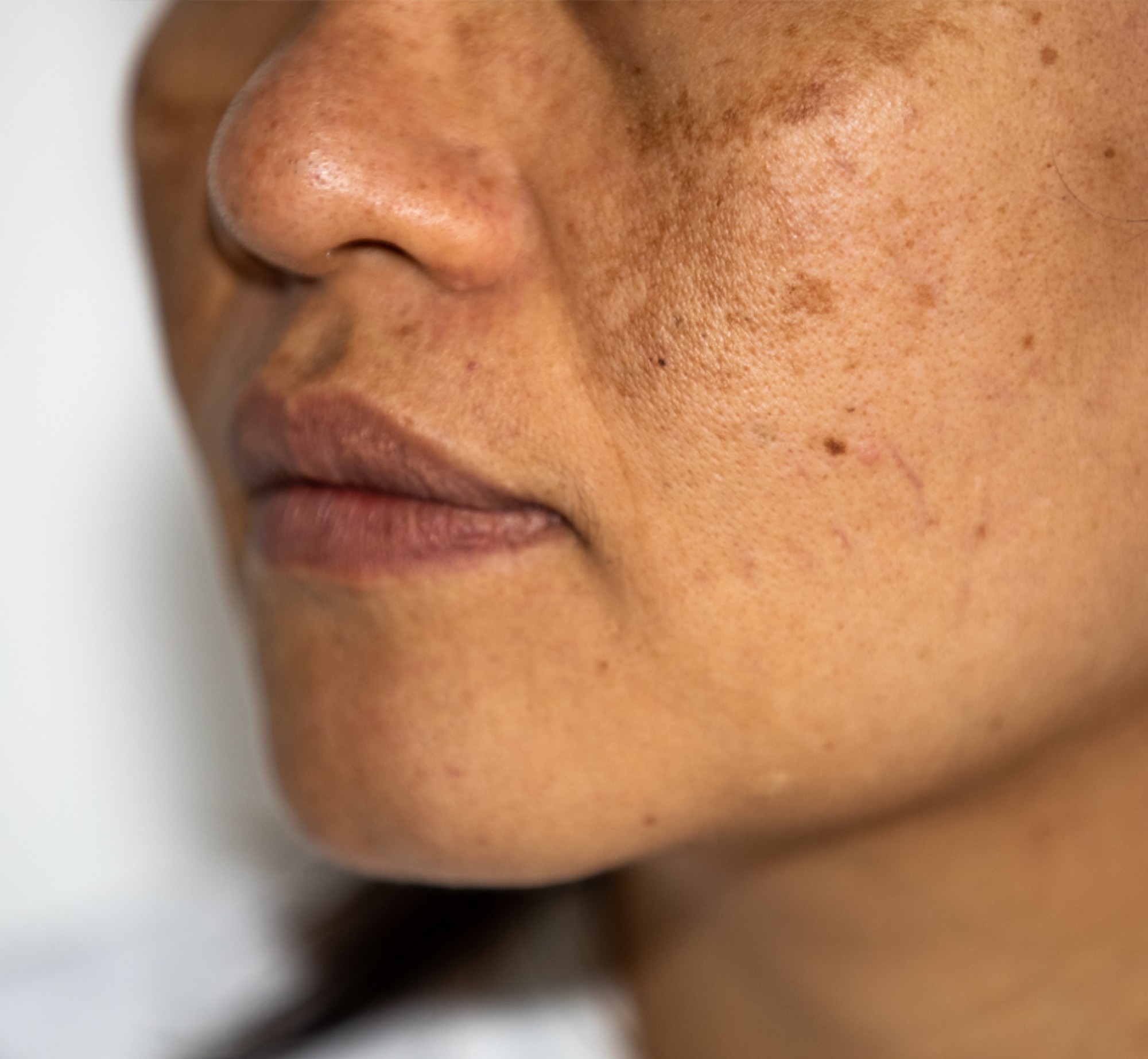
• Uneven skin tone or increased pigmentation
• Slower wound healing
• Hair thinning or increased shedding
These shifts can feel sudden or gradual, depending on your hormone fluctuations.
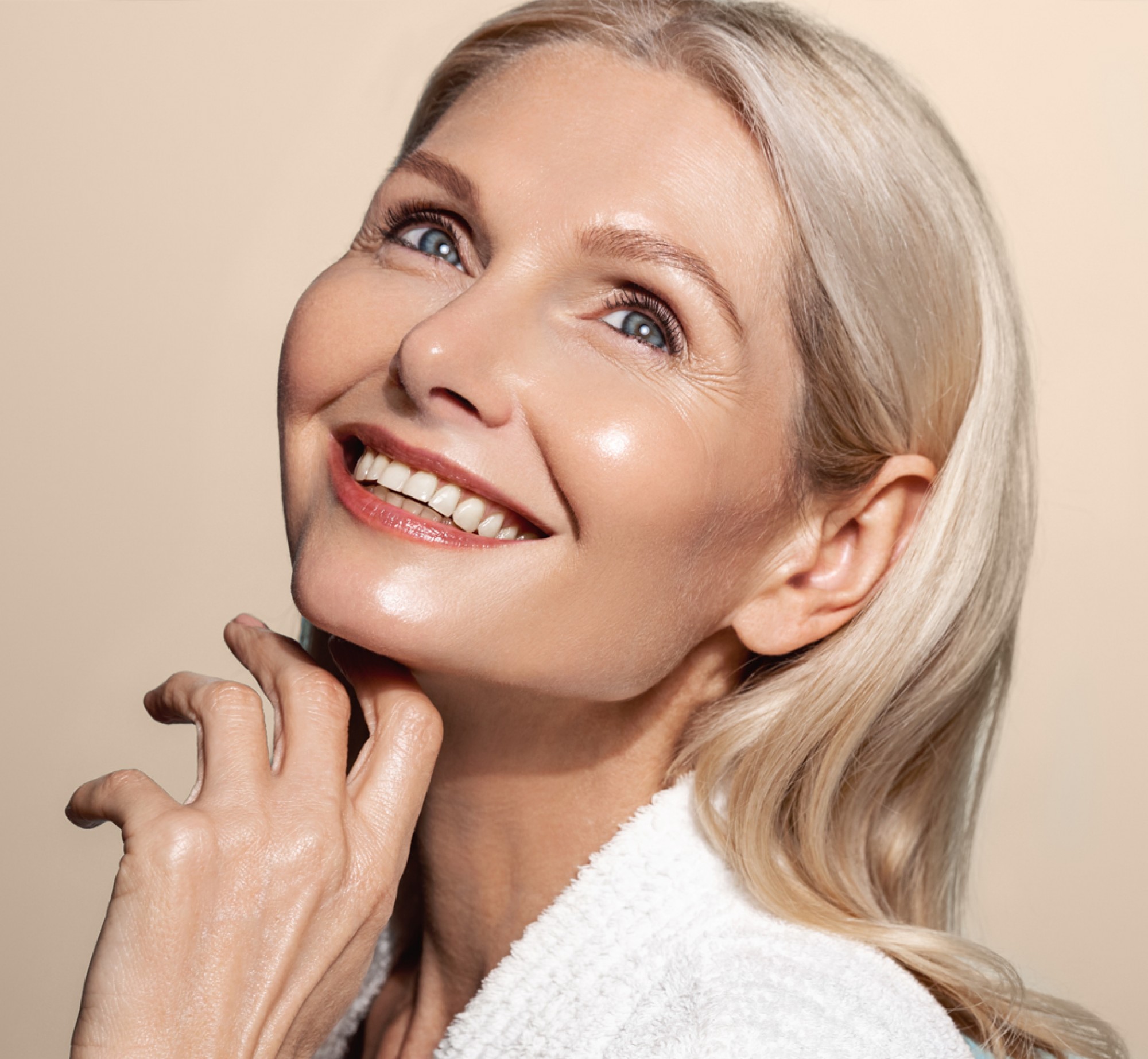
What Does Menopausal Skin Look Like?
You may notice:
• A crepey texture, especially on the cheeks or neck
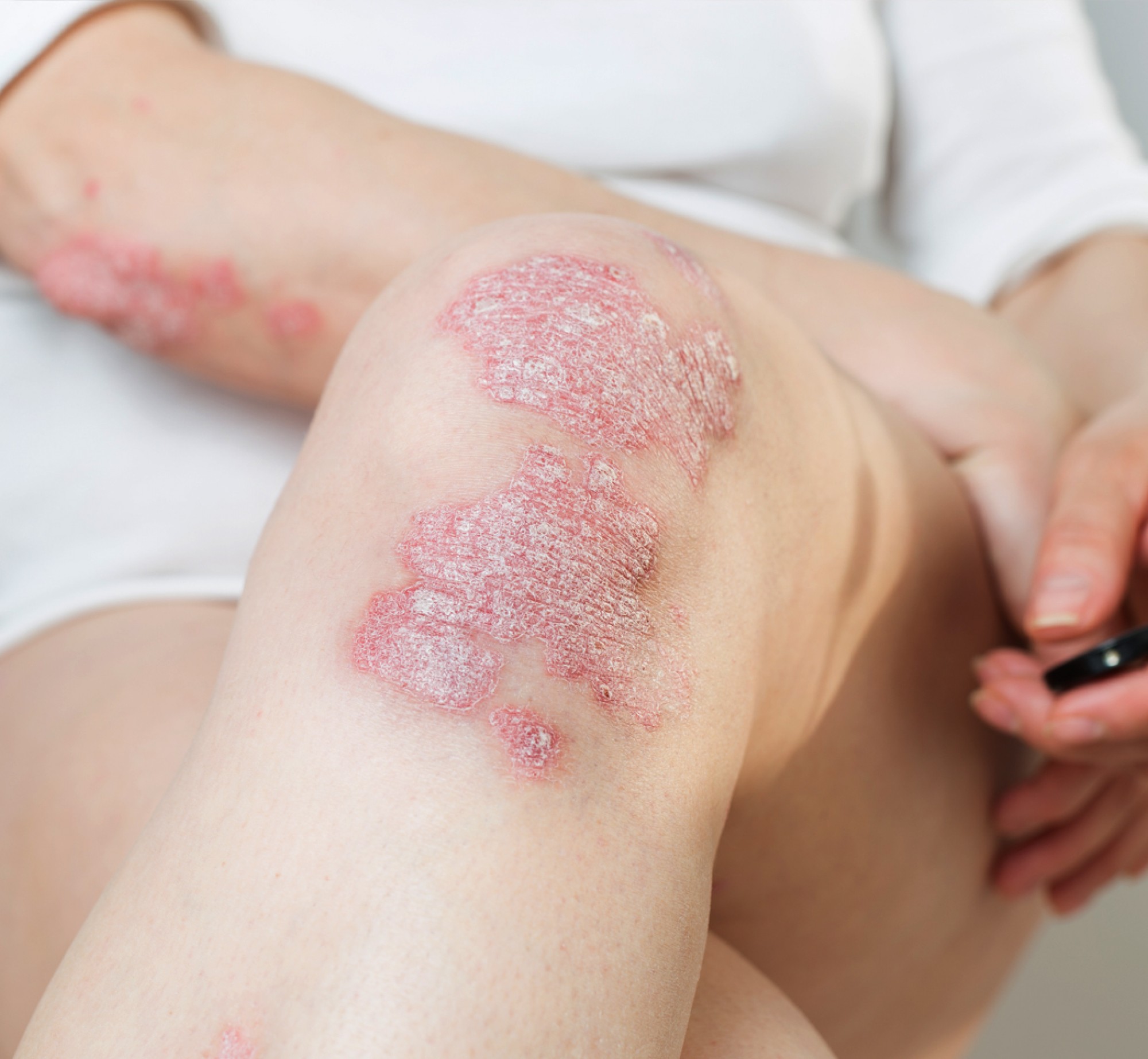
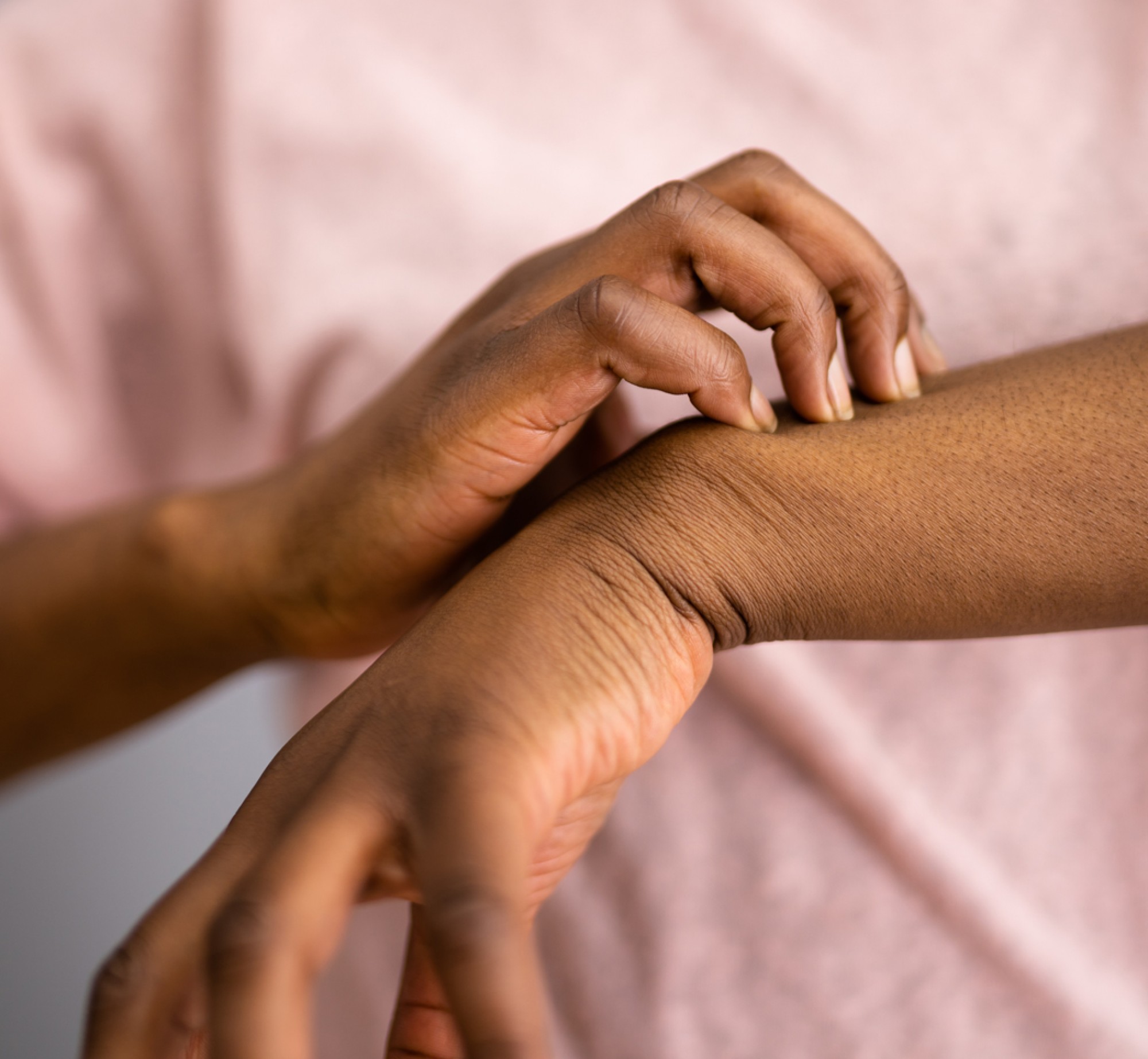
• Skin that feels easily irritated
• More visible fine lines or deeper wrinkles
• Flaking or increased dryness despite using moisturizer
• Dark spots becoming more noticeable. (Treatment options for dark spots or pigmentation)
• Scalp or hair changes
These symptoms are extremely common and do not mean you’re aging “too fast.” They are simply your skin responding to hormonal changes.
Skin Changes in Perimenopause vs. Menopause
Perimenopause
This stage can last several years. Skin symptoms often begin here because estrogen levels fluctuate widely.
You may notice:
• Occasional dryness
• Increased breakouts (yes, adult acne can flare)
• First signs of thinning skin or pigmentation
Menopause
Once estrogen drops consistently, symptoms become more noticeable.
You may experience:
• Persistent dryness
• More prominent wrinkles or sagging
• Hair thinning Increased sun sensitivity
• Slower skin repair
Does Menopause Affect Your Hair and Scalp Too?
Yes. Hormonal shifts can impact the hair cycle.
You may notice:
• Hair loss along the part or crown
• Overall thinning
• Drier scalp Increased fragility or breakage Just like skin, the scalp becomes more sensitive during this time.
Treatment options for hair thinning
How to Care for Your Skin During Menopause
Here’s what I recommend to my patients—and to my own family members navigating this stage:
1. Hydrate & Strengthen the Skin Barrier
Use moisturizers with: Hyaluronic acid Ceramides Squalane These keep the skin hydrated and support your skin barrier.
2. Protect Your Skin Daily
Menopausal skin is more vulnerable to UV damage. A broad-spectrum SPF 30+ every day is essential to prevent pigmentation and protect thinning skin.
3. Boost Collagen
Retinoids (or gentler peptides) help:
• Reduce fine lines Improve texture
• Support collagen production
Anti-aging treatments to support menopausal skin
4. Consider Professional Treatments
Depending on your needs: Laser treatments Microneedling Chemical peels Hydrating facials These can improve tone, texture, and firmness.
5. Support Your Hair
Topical products may help with thinning hair. Your dermatologist can guide you based on your individual pattern of hair loss.
6. Discuss Hormone Therapy
If Needed Hormone Replacement Therapy (HRT) may benefit some women—not just for skin, but for overall well-being and symptom control. This should be discussed with your healthcare provider.
7. Nutrition Matters
A diet rich in: Omega-3 fatty acids Protein Vitamin D Antioxidants supports healthy skin and hair from within.
FAQs About Menopause Skin Changes
Does menopause cause skin changes?
Yes. Declining estrogen reduces collagen, oil production, and elasticity—leading to dryness, thinning, and texture changes.
Is it normal for my skin to change during perimenopause?
Absolutely. Perimenopause is often when symptoms begin.
What does menopausal skin look like?
It may appear drier, duller, or thinner with more visible lines or pigmentation.
Can menopause cause skin tags?
Skin tags can appear more frequently during hormonal fluctuations, including menopause.
When should I see a dermatologist?
If your symptoms are severe, sudden, or affecting your quality of life, a dermatologist can help guide personalized treatment.
You’re Not Alone — Your Skin Can Still Look and Feel Healthy
Menopause is a natural phase of life, and the changes you’re experiencing are completely normal. With the right routine and professional guidance, your skin can stay healthy, vibrant, and strong. If you’re noticing skin or hair changes, don’t hesitate to speak with a board-certified dermatologist. You deserve to feel confident, informed, and supported at every stage of life.
For evaluation or treatment of menopause-related skin or hair changes, contact Springs Dermatology MD.
Call our office to book an appointment with a board-certified dermatologist.