Understanding Measles and Its Impact on Your Skin
If you’re searching online about measles right now, you’re probably worried about the rash—how long it lasts, what the healing stages look like, and whether measles can leave scars or dark spots. These are some of the most common questions I receive from patients and parents.
While measles is rare in the U.S., its skin symptoms can be alarming if you're not sure what’s normal. Understanding how the rash progresses, how the skin heals, and what warning signs to watch for can make the experience far less stressful.
What Does the Measles Rash Look Like?
One of the most defining signs of measles is its rash, but it doesn’t appear right away. The illness usually begins with flu-like symptoms, including a high fever, cough, runny nose, and red, watery eyes. These early symptoms last for a few days before the skin becomes involved.
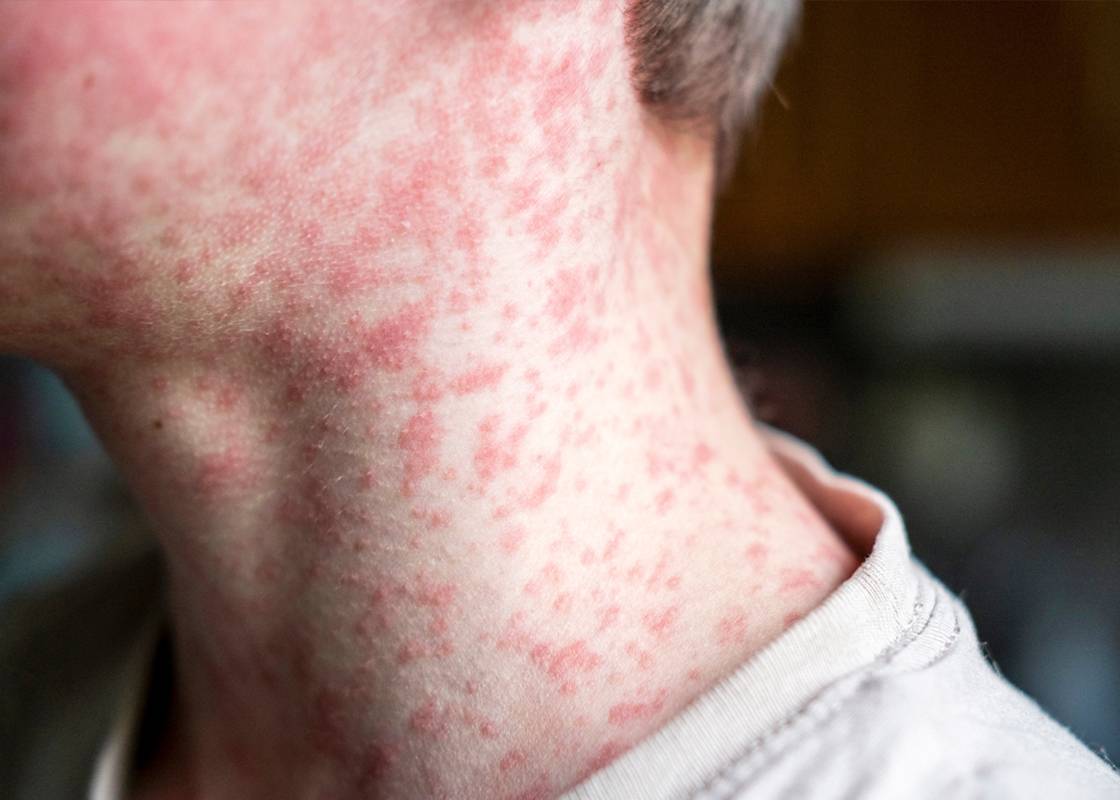
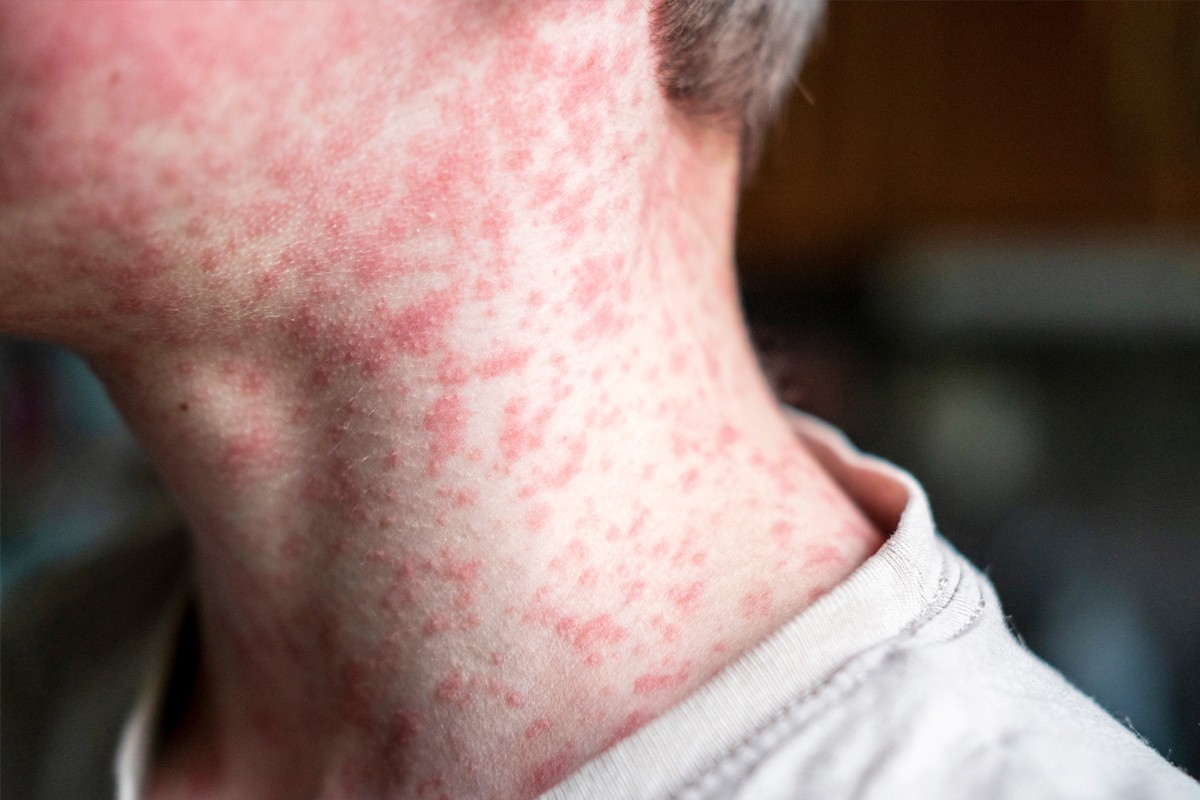
When the rash finally appears, it follows a predictable pattern. It starts as small, flat red spots along the hairline and face, then gradually spreads downward across the neck, chest, arms, legs, and feet. Some of these flat spots may develop raised bumps, giving the rash a slightly textured appearance.
While it may look uncomfortable, the measles rash is not typically itchy. Unlike allergic reactions or eczema, which can cause intense itching, measles tends to create a more widespread redness rather than a localized irritation.
A key early warning sign of measles—before the rash even appears—is the presence of tiny white spots inside the mouth, known as Koplik spots. These small white specks, which show up on the inside of the cheeks, can be an early indicator of measles and are a telltale sign that the rash will soon follow.
Measles Rash Healing Stages
Once the measles rash appears, it lasts about a week before it begins to fade. But even after the rash itself disappears, the skin takes time to fully heal. The healing process generally follows three stages:
Stage 1: Rash Progression
As the rash spreads across the body, it may darken in color, transitioning from a bright red to a purplish hue.
Stage 2: Rash Fading & Skin Changes
After a few days, the rash begins to fade, often leaving behind brownish discoloration with a fine, dry scaling. Some people may notice that their skin feels slightly rough or flaky as it recovers.
Stage 3: Skin Recovery
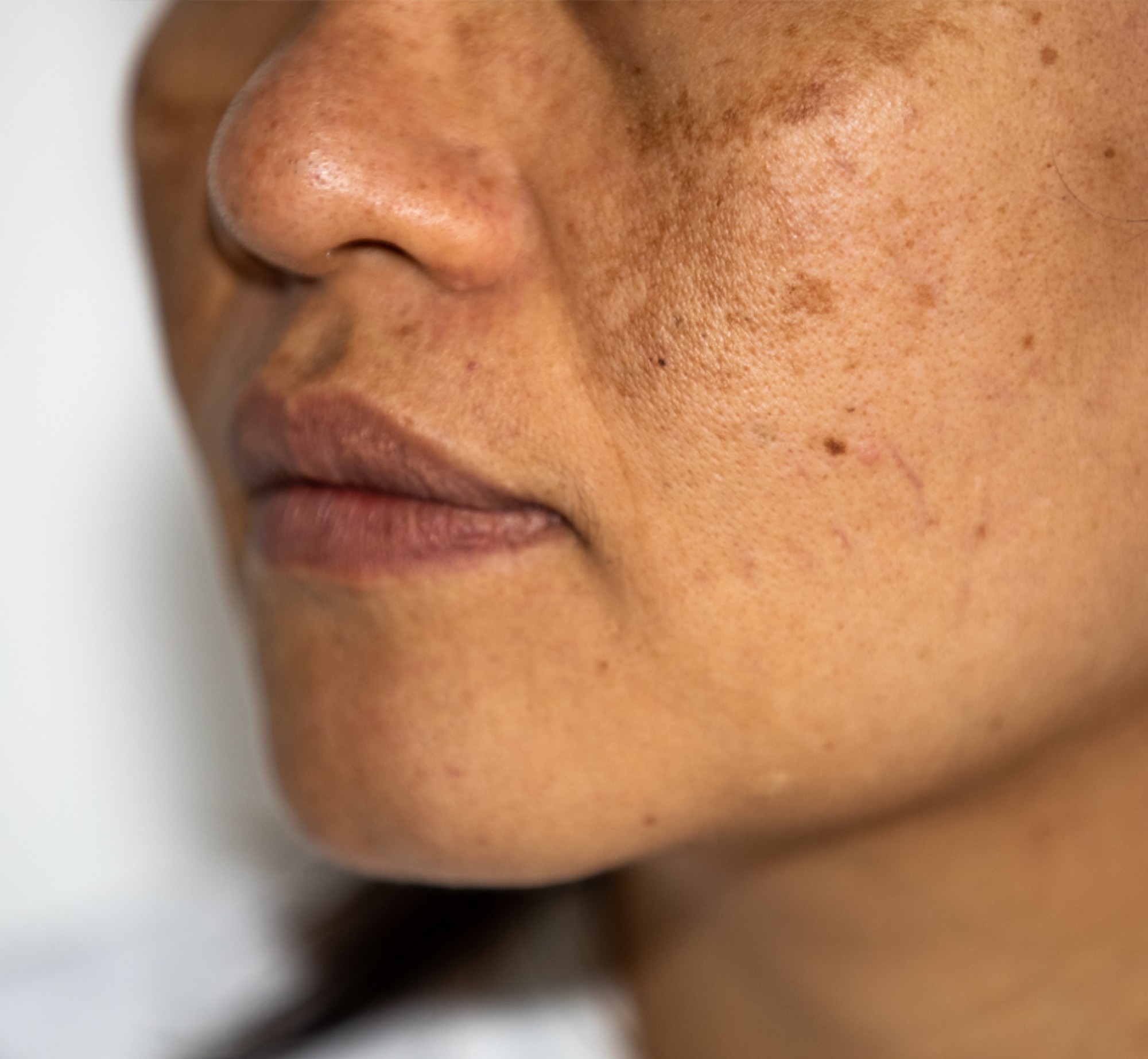
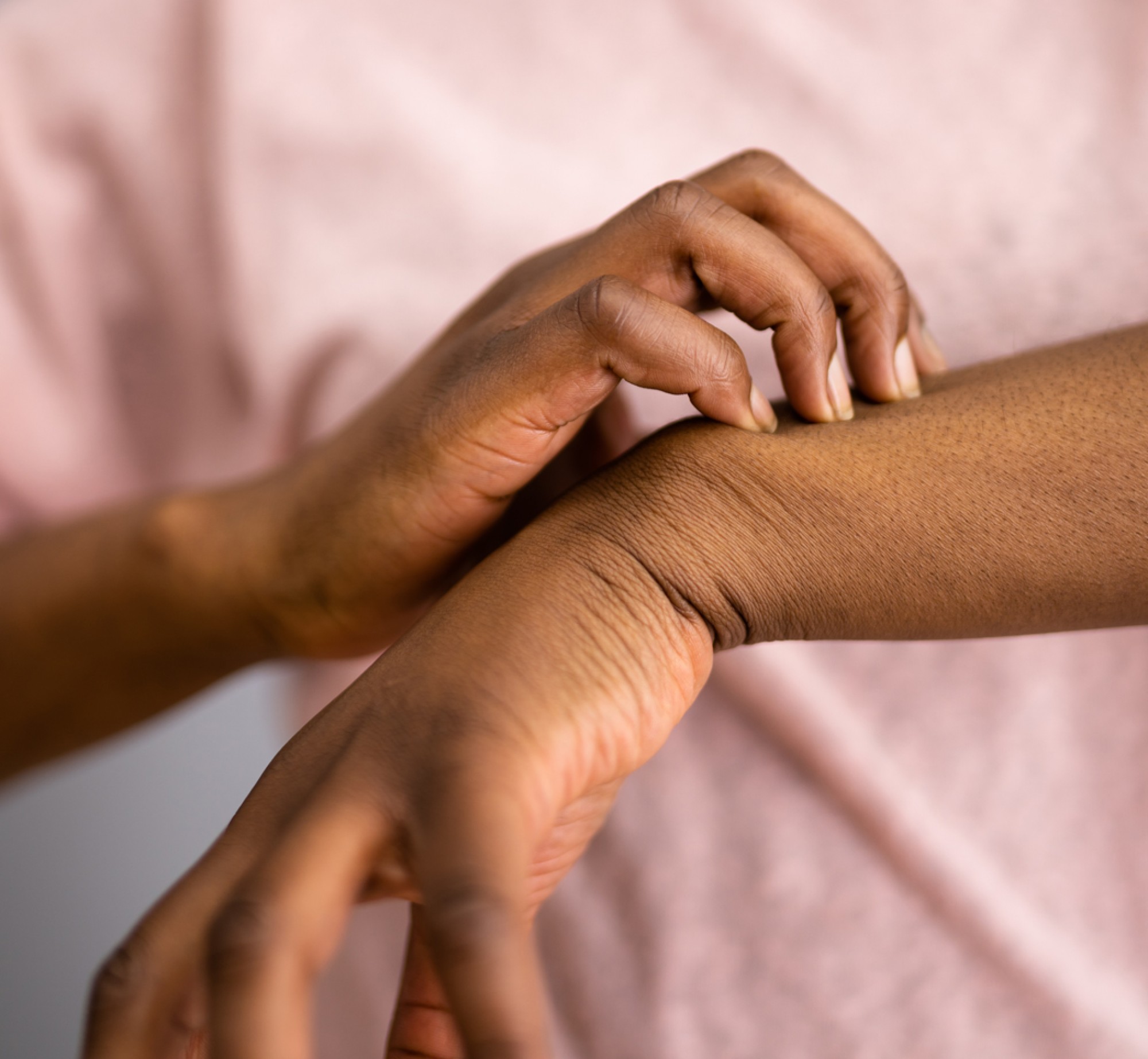
Over the following weeks to months, the skin gradually returns to its normal tone. However, for individuals with darker skin tones, the rash may leave behind post-inflammatory hyperpigmentation (PIH)—temporary dark patches where the rash once was.
How Long Does the Measles Rash Last?
Once the rash appears, it usually lasts about 5–7 days. It first spreads across the body, then gradually starts to fade in the same order it appeared—from the face down toward the feet. Even though the visible redness may resolve within a week, the skin can take several more weeks to fully recover, especially if the rash was intense or if the skin is naturally sensitive or darker in tone.
Does Measles Leave Scars or Dark Spots?
Measles itself does not typically cause scarring, but that doesn’t mean your skin won’t be affected after the rash fades. In some cases, people experience temporary discoloration, especially if the skin was inflamed for an extended period.
If the rash is scratched excessively or if a secondary bacterial infection (such as impetigo or cellulitis) occurs, there’s a higher risk of scarring. To reduce this risk, it’s important to avoid scratching the rash, keep the skin moisturized, and seek treatment for any signs of infection or irritation.
For those who develop hyperpigmentation, the dark spots may linger for several weeks to months before fading completely. The good news is that these marks are not permanent and can be treated with gentle skincare, hydration, and sun protection.
Preventing Long-Term Skin Effects
If you’re recovering from measles, you might be wondering: What can I do to help my skin heal faster? While time is the biggest factor in skin recovery, there are a few things you can do to support the process.
• Protect your skin from the sun. Measles-related discoloration can worsen with UV exposure, making hyperpigmentation more noticeable. Using a broad-spectrum sunscreen (SPF 30 or higher) can help prevent this.
• Keep your skin moisturized. Using a fragrance-free, gentle moisturizer can reduce dryness and irritation as the skin heals.
• Avoid harsh exfoliation. While it may be tempting to speed up the recovery process, using strong scrubs or acids can further irritate the skin and make discoloration worse.
• Consider brightening ingredients. If dark spots persist, skincare ingredients like vitamin C, niacinamide, or mild hydroquinone can help even out skin tone over time.
If scarring or pigmentation issues persist for months, a board-certified dermatologist can help with targeted treatments, including topical solutions, chemical peels, or laser therapy to improve skin tone and texture.
When Should I See a Dermatologist for a Measles Rash?
You should contact a healthcare provider or dermatologist if:
• You notice symptoms consistent with measles, especially fever plus the characteristic rash
• The rash is severe, very uncomfortable, or looks infected (oozing, crusting, or extremely painful) Skin discoloration or possible scars persist for months after recovery
• A child develops any measles-like rash—children are best evaluated by a dermatologist with expertise in the pediatric age group
• Early evaluation helps confirm the diagnosis, guide treatment, and prevent spreading the virus to others.
Stay Informed, Stay Protected
Measles may be making headlines, but knowledge and prevention are the best ways to stay protected. Vaccination continues to keep cases low in the U.S., and early recognition of symptoms ensures timely care when needed.
If you have questions about measles-related skin changes or need guidance on recovery, don’t hesitate to reach out to a dermatologist. Your skin is resilient, and with the right care, it can heal beautifully.
Written by Dr. Shereen Timani
Lead Triple Board-Certified Dermatologist at Springs Dermatology & Johns Creek Dermatology
RESOURCES
Mayo Clinic NHS CDC