What Are Those Little Growths on My Skin?
Ever noticed a tiny, soft bump on your neck or under your arm and thought, “What is that and should I be worried?”
You are not alone. Skin tags are one of the most common concerns patients bring to my office. Skin tags, medically known as acrochordons, are small, benign or noncancerous growths of skin.
They often seem to appear out of nowhere. While they are not dangerous, they can certainly be irritating, uncomfortable, or cosmetically bothersome.
They commonly develop in areas where skin rubs together, including:
• The neck
• Under the arms
• The groin
• Under the breasts
• Eyelids
Most of the time, skin tags are more of a comfort or confidence concern than a medical one.
Understanding them can bring peace of mind.
What Do Skin Tags Look Like?
A very common question is, “How do I know it is just a skin tag?”
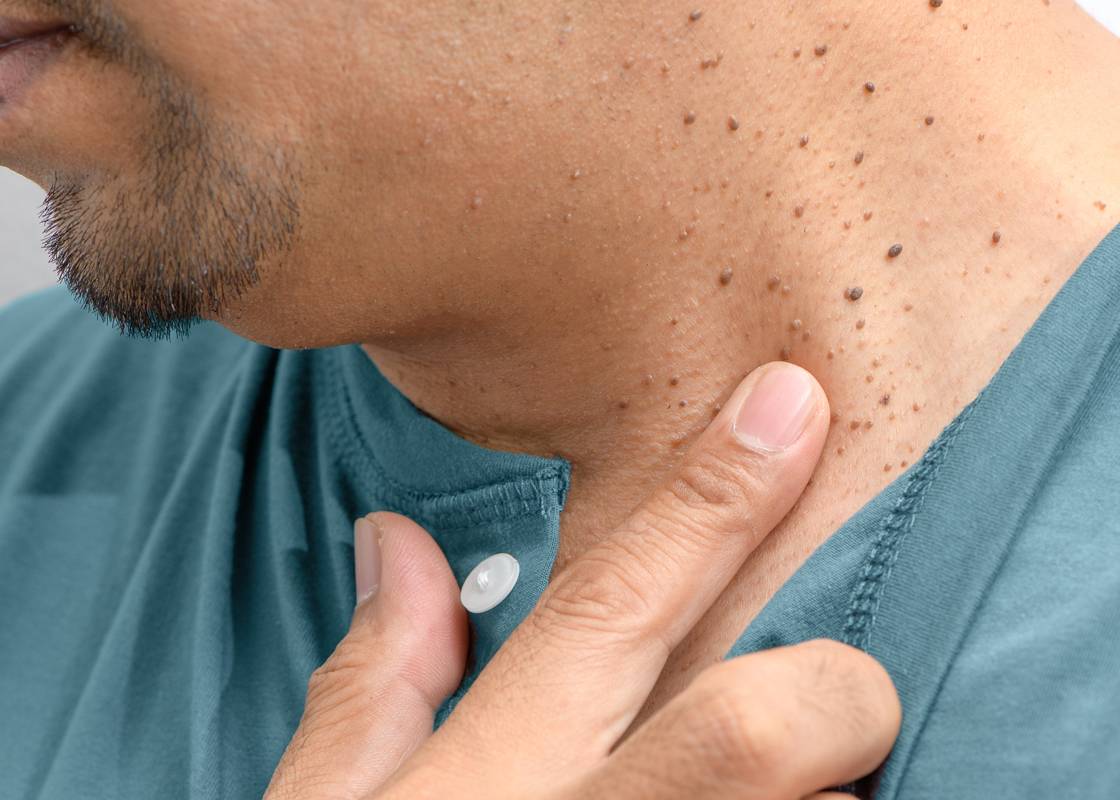
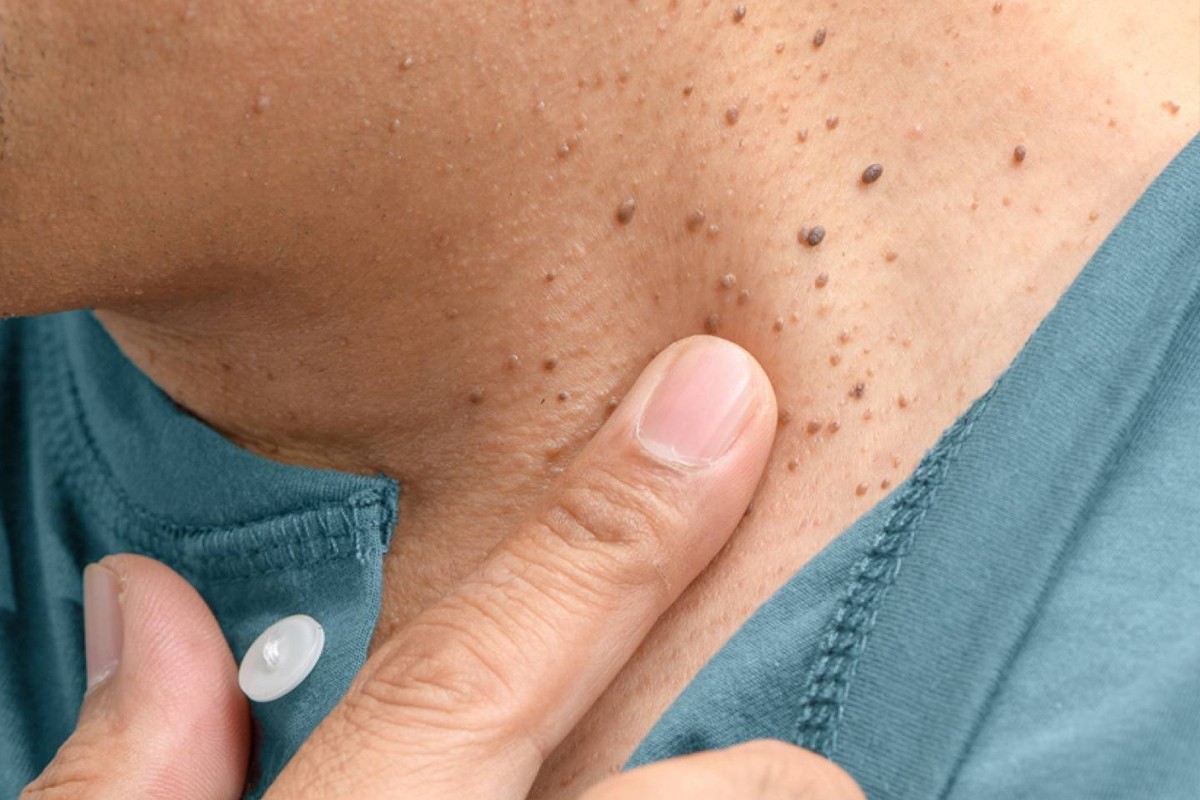
Skin tags typically have these features:
• Small and soft
• Flesh colored or slightly darker
• Attached to the skin by a thin stalk called a peduncle
• Smooth or slightly wrinkled
• Usually painless unless irritated
• Range from 1 to 5 millimeters, though some grow larger
If a growth changes rapidly, becomes painful, bleeds without injury, or looks very different from your other skin tags, it is important to have it evaluated.
What Causes Skin Tags?
“What causes skin tags?” is one of the most searched questions, and for good reason. They often seem to appear suddenly.
The most common contributing factor is skin friction. Skin tags tend to form where skin folds or rubs together.
Other contributing factors may include:
• Genetics Aging Hormonal changes
• Weight gain
• Pregnancy
• Insulin resistance or metabolic conditions
In some patients, multiple skin tags may be associated with insulin resistance. While most skin tags are harmless and unrelated to serious health issues, individuals with numerous lesions may benefit from discussing overall health with their provider.
Importantly, skin tags are not caused by poor hygiene.
Skin Tags on the Neck: Why They’re So Common
“Skin tags on the neck” is one of the most frequent concerns I hear.
The neck is especially prone to skin tags because it experiences constant friction from:
• Shirt collars
• Jewelry Skin folds
• Daily movement
Neck skin tags are typically harmless, but they may become irritated or bleed if caught on clothing or necklaces. Many patients choose removal for comfort and cosmetic reasons.
Are Skin Tags Contagious?
No. Skin tags are not contagious. They cannot spread through touch, shared towels, or skin contact. They are simply benign overgrowths of normal skin tissue.
Do Skin Tags Require Treatment?
Most skin tags do not require treatment. They are harmless. However, removal may be appropriate if they:
• Become irritated or inflamed
• Catch on clothing or jewelry
• Bleed Cause cosmetic concern
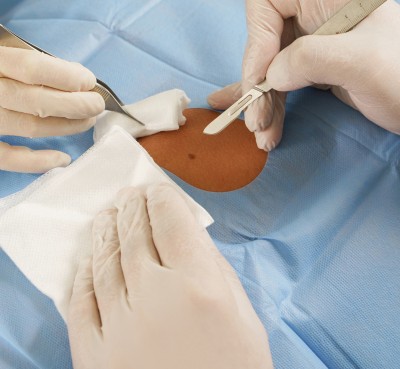
For patients interested in professional skin tag removal, in-office treatment is typically quick and straightforward.
How Are Skin Tags Removed?
Dermatologists can safely remove skin tags using several methods:
• Snip excision (quick removal with sterile instruments)
• Cryotherapy (freezing the lesion)
• Cauterization (controlled heat)
Professional removal minimizes bleeding, reduces infection risk, and helps avoid unnecessary scarring.
Home remedies — such as cutting, tying off, or pulling skin tags — are not recommended due to the risk of infection and improper healing.
When Is a Skin Growth Not a Skin Tag?
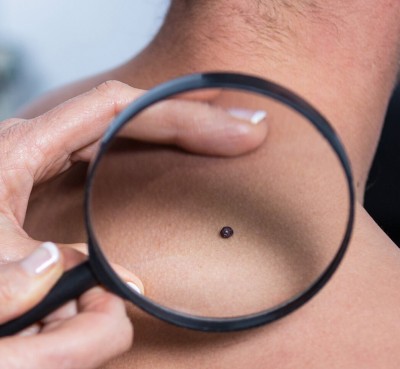
While skin tags are benign, other skin growths can sometimes resemble them. You should seek evaluation if a lesion:
• Changes color
• Grows rapidly
• Becomes painful
• Ulcerates Bleeds unexpectedly
A simple in-office examination can provide reassurance and rule out other conditions.
If you’re unsure, scheduling a professional skin evaluation is always the safest step.
Can Skin Tags Turn Into Cancer?
No, skin tags themselves are benign and do not turn into cancer.
However, any skin lesion that changes significantly should be evaluated to ensure it is not another type of growth.
If a growth looks different from your typical skin tags or changes over time, a comprehensive skin cancer evaluation by a board-certified dermatologist is recommended.
Common Misconceptions About Skin Tags
Let’s clear up a few myths:
Myth: Skin tags are contagious.
Truth: They are not.
Myth: They are a sign of poor hygiene.
Truth: Hygiene has nothing to do with their development.
Myth: Only overweight individuals get skin tags.
Truth: They are more common with increased friction, but they occur in people of all body types.
Myth: Skin tags turn into cancer.
Truth: They are benign and remain benign.
Some of the Strangest (But Real) Questions I’ve Heard
Patients sometimes bring humor into their concerns, and I appreciate that.
“Am I turning into a tree?”
No — skin tags have nothing to do with plants.
“Can I get skin tags from my pet?”
No — animals do not transmit skin tags.
“If I tie a string around it, will it fall off?”
This old remedy attempts to cut off blood supply. While it may occasionally work, it carries risks and is not recommended.
Final Thoughts
Skin tags are extremely common and usually harmless. While they can be annoying, they rarely pose medical danger. If you have concerns about a skin growth — or would like safe removal — a professional evaluation can provide clarity and reassurance.
At Johns Creek Dermatology, we provide safe, in-office removal options tailored to your needs. If you have questions or concerns about skin tags, schedule a consultation with Dr. Timani for personalized advice and treatment options.