A few weeks ago, I saw a young man with a particularly challenging case of ingrown hairs in his beard area. It prompted me to share a social media post about the condition, and within a day, that post received more than 6,000 views. The response made one thing clear: a lot of people are dealing with ingrown hairs and are not always sure what to do about them. So I put together this more comprehensive guide.
But before we get into the details, there are two things I want you to remember:
Don’t pop, squeeze, or dig into an ingrown hair yourself. Doing so can worsen inflammation, introduce bacteria, and increase the risk of dark marks or scarring. And don’t wait too long if a bump is painful, worsening, draining, or keeps coming back.
What looks like a simple ingrown hair may sometimes be another condition that needs a different treatment approach.
What Is an Ingrown Hair?
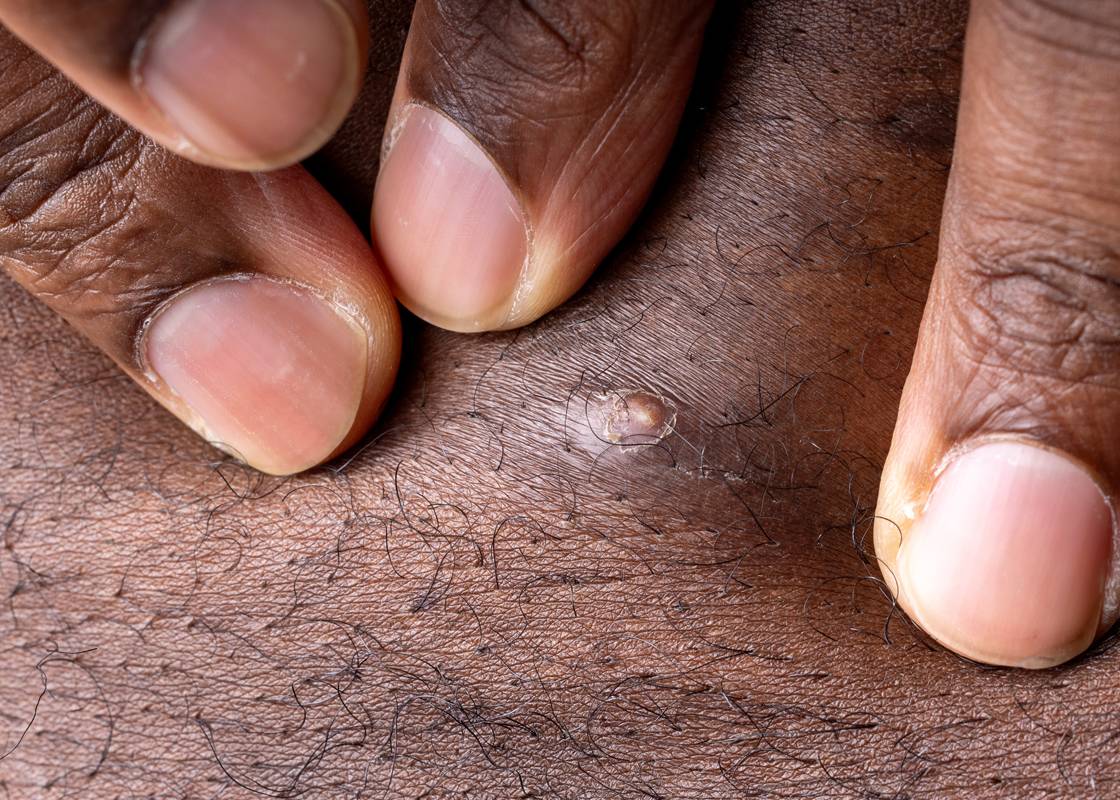
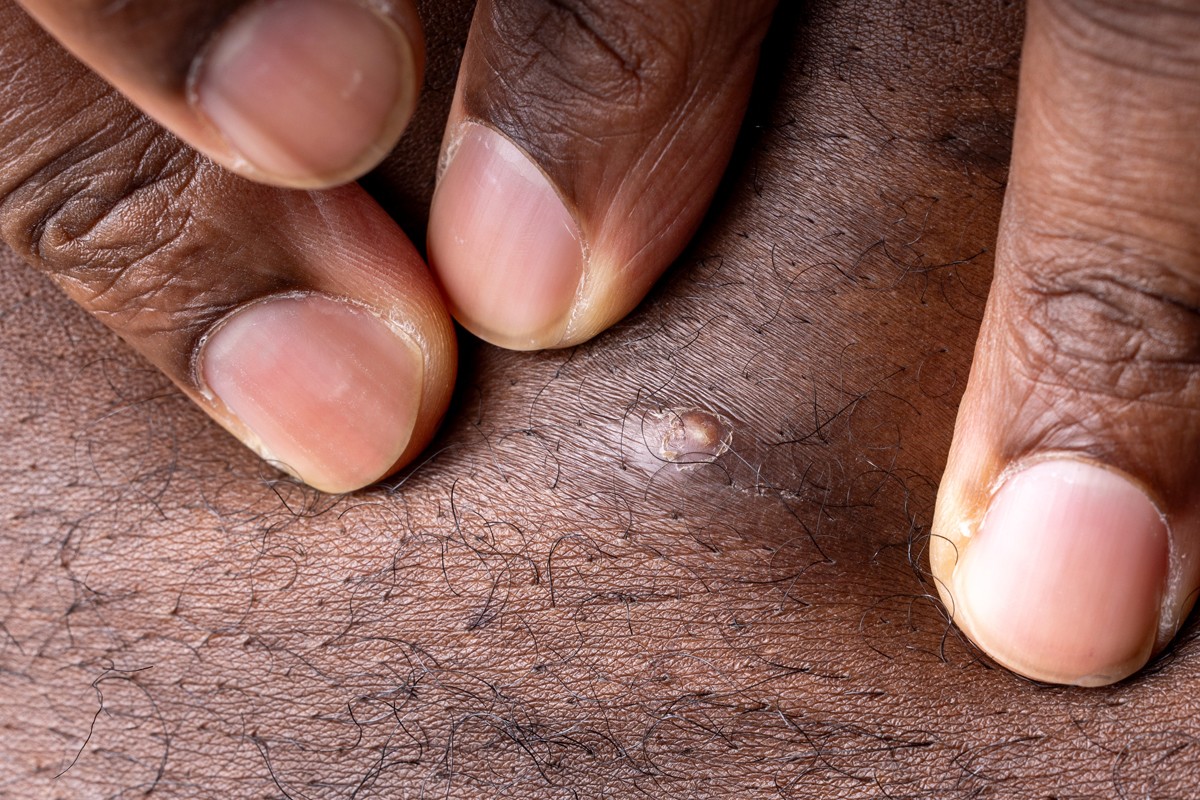
Normally, a hair grows upward from its follicle and emerges through the surface of the skin. An ingrown hair develops when the hair becomes trapped beneath the skin or curves back and grows into the surrounding skin instead of outward. Your body may react to that trapped hair almost as if it were a foreign object, creating inflammation around the follicle.
The result can be:
• A red or skin-colored bump
• Tenderness
• Itching
• Swelling
• A pustule that resembles a whitehead
• A visible hair beneath the skin
• A dark mark after the inflammation settles
When ingrown hairs repeatedly cause inflammation after shaving or other hair removal, the condition may be called pseudofolliculitis. When it occurs in the beard area, it is commonly known as pseudofolliculitis barbae, or razor bumps.
Where Do Ingrown Hairs Usually Develop?
Ingrown hairs can occur anywhere hair grows, but they are especially common in areas that are frequently shaved, waxed, or plucked.
Common locations include:
• Beard and neck
• Chin and jawline
• Upper lip
• Underarms
• Bikini and pubic area
• Legs
• Chest
• Back
• Scalp and hairline
Where Do Ingrown Hairs Develop?
Ingrown hairs can appear anywhere hair grows, but they are most common in areas that are frequently shaved, waxed, tweezed, or plucked.
Common locations include:
- Beard and neck
- Chin and jawline
- Upper lip
- Underarms
- Bikini and pubic area
- Legs
- Chest
- Back
- Scalp and hairline
Why Do Ingrown Hairs Happen?
Several factors can contribute.
Shaving Too Closely
Shaving cuts the hair near the surface of the skin.
When a hair is cut extremely close, particularly if it is curly, the new growth may curve toward the skin instead of growing straight outward.
A very close shave may therefore increase the chance of developing razor bumps in someone who is already prone to them.
Curly, Coarse, or Tightly Coiled Hair
Hair texture plays an important role.
Curly and tightly coiled hairs naturally bend as they grow, which makes them more likely to turn back toward the skin.
The shape and direction of the follicle can also influence the way the hair emerges.
Waxing, Tweezing, and Plucking
Ingrown hairs are not limited to shaving.
Waxing, plucking, and tweezing can also lead to ingrown hairs as new hairs grow back through the skin.
Shaving Against the Direction of Hair Growth
Shaving against the grain may give you a closer shave, but it can also increase irritation and cause the remaining hair to sit very close to or beneath the skin surface.
This is especially important around the neck, where hairs may grow in several different directions.
Stretching the Skin While Shaving
Pulling the skin tight while shaving can allow the razor to cut the hair below its natural resting point.
When the skin relaxes, the hair may retract beneath the surface.
Repeated Friction
Tight collars, clothing, helmets, or repeated rubbing can further irritate inflamed follicles.
Are All Shaving Bumps Ingrown Hairs?
No.
A bump that appears after shaving may be caused by:
- An ingrown hair
- Pseudofolliculitis
- Razor burn
- Folliculitis
- Acne
- Irritant dermatitis
- Infection
These conditions can look very similar.
If you are repeatedly treating what you assume is an ingrown hair without improvement, getting the correct diagnosis becomes important.
Why You Shouldn't Pop an Ingrown Hair
It can be tempting to squeeze a bump or use tweezers or a needle to dig out a visible hair.
I strongly recommend avoiding this.
Picking and squeezing can:
- Increase inflammation
- Damage surrounding skin
- Introduce bacteria
- Cause infection
- Cause bleeding
- Increase the chance of dark marks
- Increase the risk of scarring
Sometimes the discoloration caused by manipulating the area lasts much longer than the original ingrown hair.
If a hair is deeply embedded or the area is significantly inflamed, a dermatologist can determine the safest treatment.
Why Do Ingrown Hairs Leave Dark Marks?
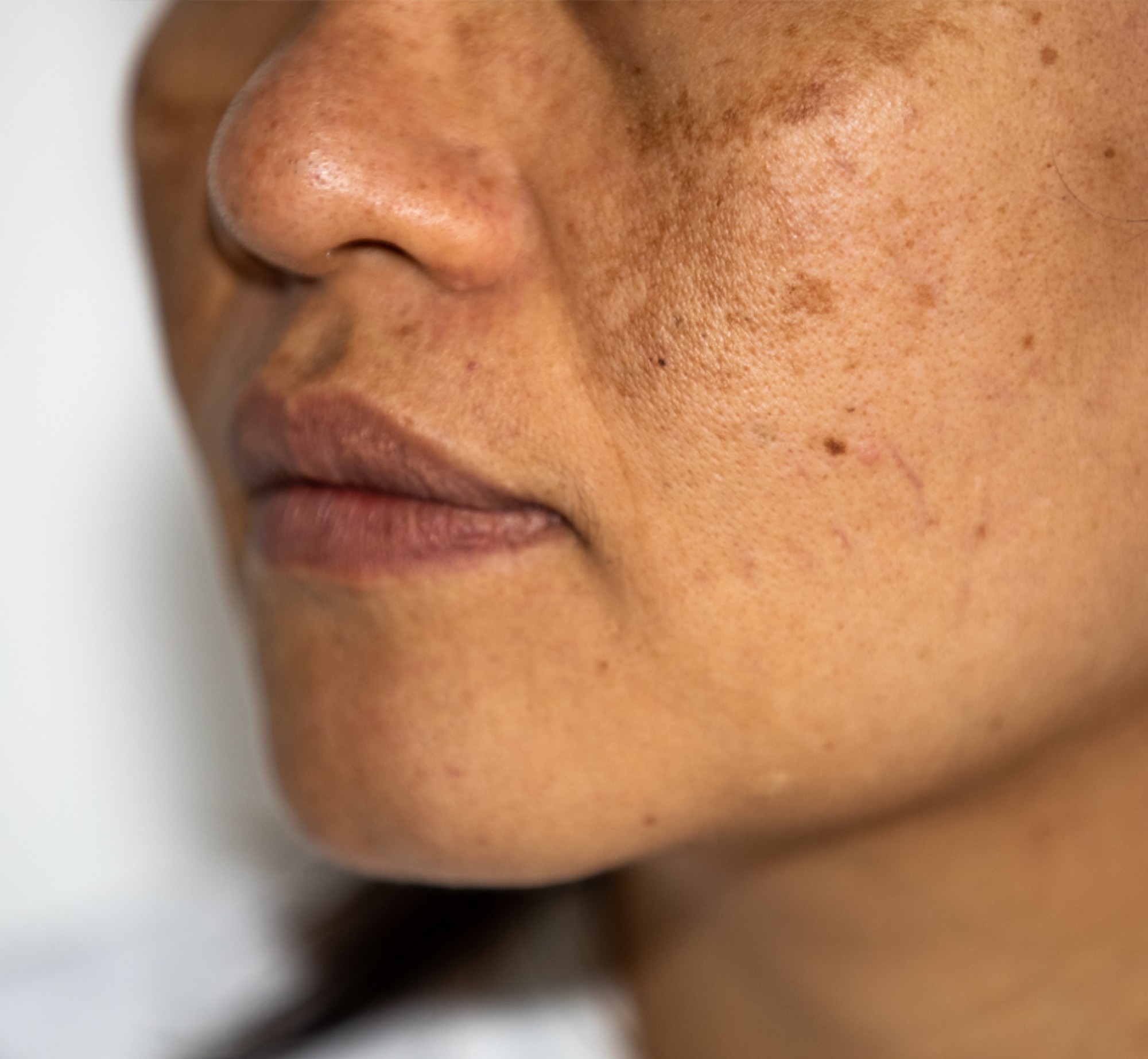
Inflammation from an ingrown hair can trigger post-inflammatory hyperpigmentation, or PIH.
This means that even after the bump heals, a brown, gray-brown, or darker spot may remain.
These marks may last considerably longer than the original inflammation.
Patients with darker skin tones can be especially prone to noticeable pigment changes after inflammation.
And when new ingrown hairs continue to develop, new dark marks can form before the older ones have faded.
How Are Ingrown Hairs Treated?
Treatment depends on the severity of the condition, how frequently it occurs, and whether there is infection, pigmentation, or scarring.
Reduce the Trigger When Possible
If shaving, waxing, or plucking is repeatedly triggering inflammation, temporarily stopping or reducing that method may allow the skin to settle.
For patients who need to continue removing hair, changing the technique may be more realistic.
Reduce Follicular Blockage
Certain topical treatments can help remove excess dead skin around the follicular opening.
Depending on the patient, a dermatologist may recommend ingredients such as exfoliating acids or prescription retinoids.
More exfoliation is not necessarily better.
Aggressive scrubbing or combining several irritating products can worsen inflammation and pigmentation.
Calm Inflammation
Persistent pseudofolliculitis may require topical or prescription treatment to decrease inflammation.
Treatment should be based on the actual diagnosis rather than simply treating every shaving bump as acne.
Treat Infection If Present
An ingrown hair does not automatically mean there is a bacterial infection.
However, secondary infection can sometimes develop.
Increasing pain, warmth, redness, swelling, drainage, or crusting are reasons to have the area evaluated.
Address Remaining Pigmentation
Once new inflammation is controlled, treatment can also focus on persistent dark marks.
The appropriate approach depends on skin tone, skin sensitivity, and the severity of the pigmentation.
Persistent or recurrent bumps may benefit from a medical dermatology evaluation to determine whether the problem is pseudofolliculitis, folliculitis, acne, or another condition
Can Laser Hair Removal Help?
For some patients with chronic ingrown hairs or pseudofolliculitis, reducing the amount of hair growing in the affected area can reduce recurrence.
Laser hair removal may therefore be considered for selected patients.
However, laser treatment needs to be chosen carefully based on:
- Skin tone
- Hair color
- Hair thickness
- Treatment area
- History of pigmentation changes
This is particularly important in darker skin tones, where appropriate technology and settings matter.
How to Prevent Ingrown Hairs When Shaving
For many patients, changing shaving technique can make a meaningful difference.
Shave With the Direction of Hair Growth
Look carefully at your natural hair-growth pattern.
This is particularly important on the neck, where hairs frequently grow in different directions.
Avoid an Extremely Close Shave
Someone who frequently develops razor bumps may do better leaving a very small amount of hair rather than shaving completely flush with the skin.
An electric clipper or trimmer may work better for some patients.
Avoid Repeated Passes
Repeatedly running a razor across the same area creates additional irritation.
Try to minimize the number of passes.
Don't Stretch the Skin
Pulling the skin tight may produce a closer shave, but it can also increase the chance that hairs are cut beneath their natural resting position.
Soften the Hair Before Shaving
Warm water can soften coarse hair.
Using an appropriate shaving cream or gel can also help reduce friction.
Use Clean Shaving Equipment
Keep razors and clippers clean and replace dull blades regularly.
Don't Pick Between Shaves
Repeatedly squeezing or digging at bumps can turn a temporary problem into persistent discoloration or scarring.
When Should You See a Dermatologist?
An occasional ingrown hair often resolves on its own.
But consider seeing a dermatologist if you have:
- Frequent or recurring bumps
- Significant pain
- Pus or drainage
- Increasing redness or warmth
- Numerous inflamed follicles
- Persistent dark spots
- Scarring
- Raised scars
- Bumps that repeatedly develop in the same location
- Symptoms that do not improve after changing your shaving habits
- A rash you are not sure is caused by ingrown hairs
A board-certified dermatologist can determine whether the problem is truly an ingrown hair or whether you are dealing with pseudofolliculitis, folliculitis, acne, infection, or another skin condition.
Frequently Asked Questions
Should I pull out an ingrown hair?
Avoid digging into your skin or trying to extract a deeply embedded hair yourself. Manipulation can worsen inflammation and increase the chance of infection, pigmentation, and scarring.
Can an ingrown hair become infected?
Yes. Secondary infection can sometimes develop. Increasing pain, warmth, redness, swelling, or drainage should be evaluated.
Why do I keep getting ingrown hairs in the same place?
The direction of the follicle, hair texture, shaving technique, and repeated irritation can cause certain areas to be affected again and again.
Can waxing cause ingrown hairs?
Yes. Shaving, waxing, tweezing, and plucking can all contribute.
Can ingrown hairs scar?
Repeated inflammation, infection, squeezing, and picking can increase the risk of permanent scarring.
What You Need to Remember
Ingrown hairs are common, but they should not become a repeated cycle of shaving, inflammation, picking, discoloration, and scarring.
Remember:
Don't pop or dig at an ingrown hair yourself.
And don't ignore a bump that is painful, worsening, draining, repeatedly returning, or leaving significant discoloration.
Sometimes adjusting your shaving technique is enough. Other times, what appears to be an ingrown hair may actually represent pseudofolliculitis, folliculitis, acne, or another condition.
A dermatologist can identify the cause and create a treatment and prevention plan based on your skin and hair type.
If recurrent ingrown hairs are painful, leaving dark marks, or interfering with your shaving routine, book an appointment with a board-certified dermatologist.