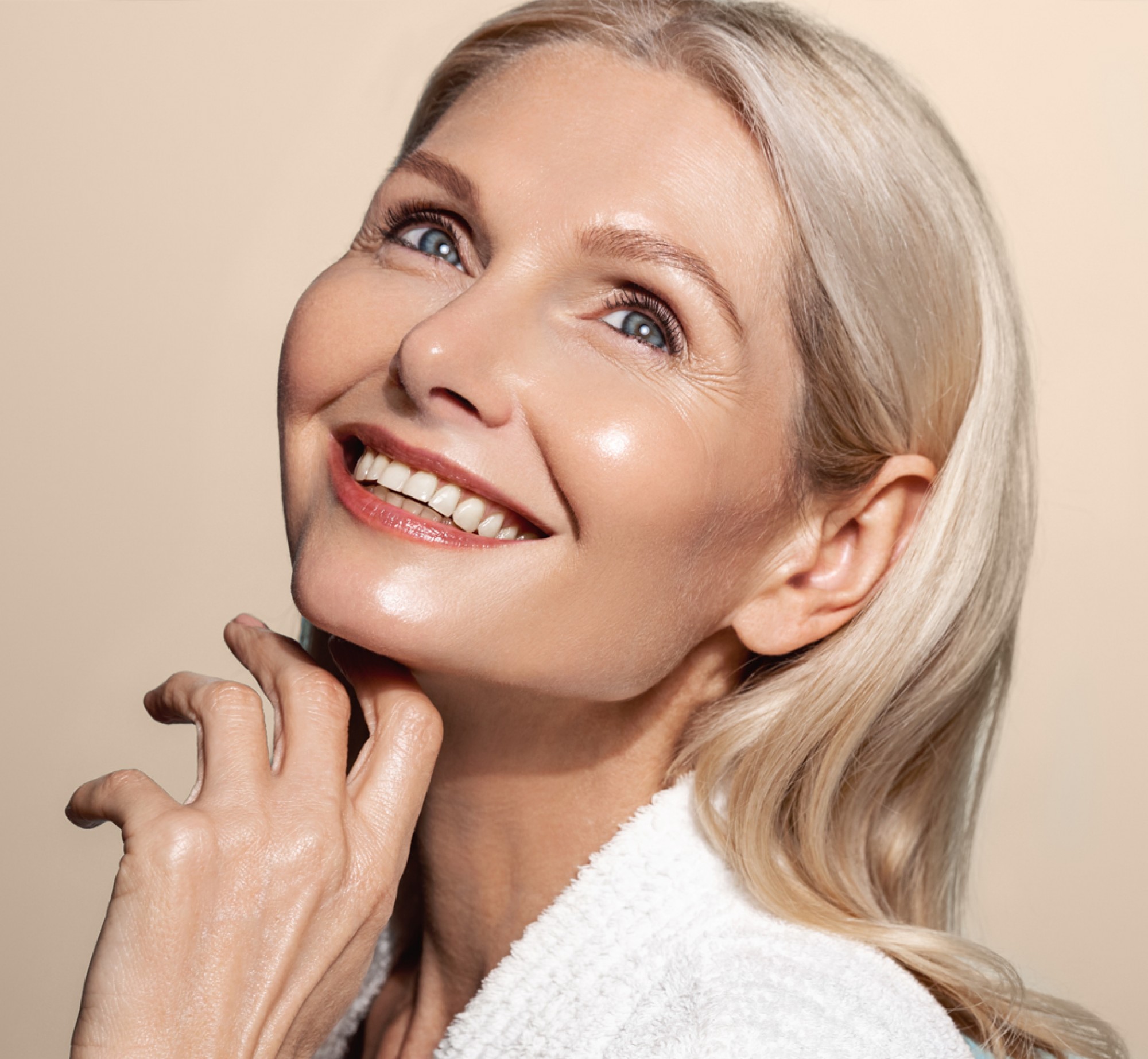
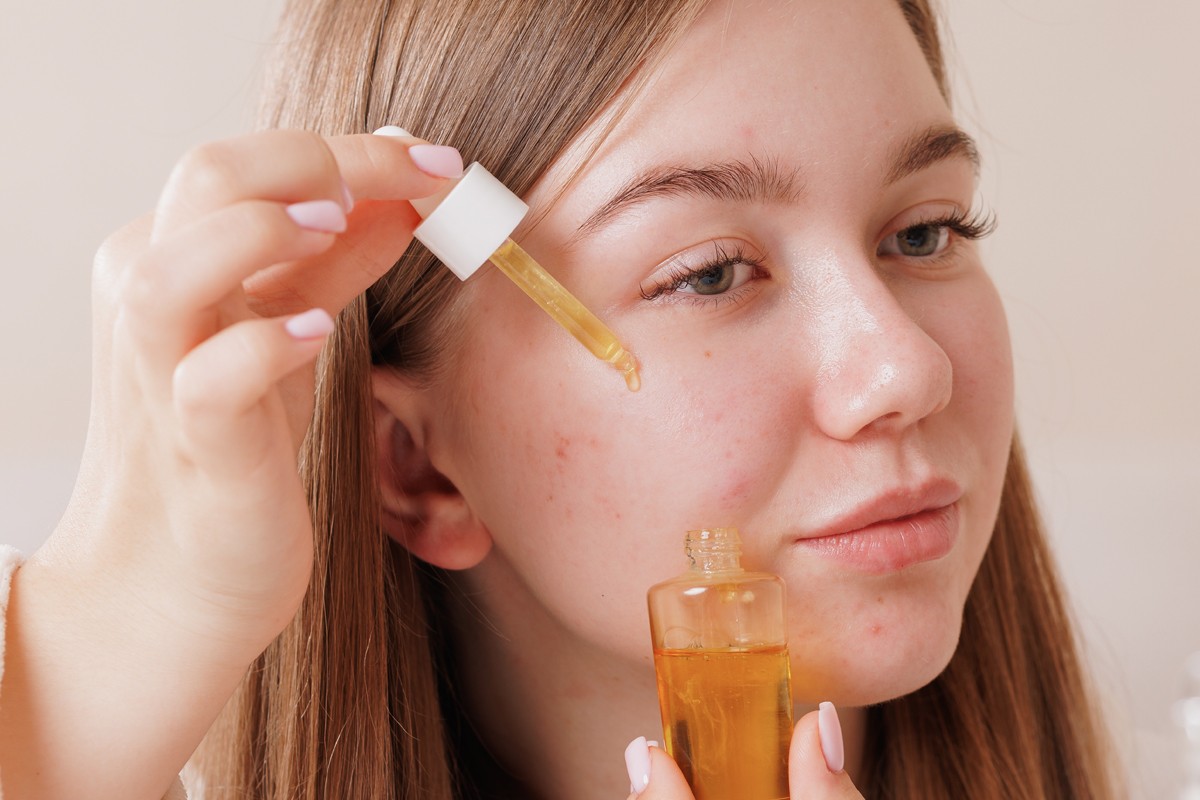
If you've spent any time on social media lately, you've seen it: dewy, poreless, luminous skin that looks like it belongs on a magazine cover. The "glass skin" trend has inspired millions of people to overhaul their skincare routines in search of that same glow; layering serums, doubling up on cleansers, and adding acid after acid in hopes of getting there faster.
If your skin has started to feel tight, look shiny in a way that doesn't quite feel like health, or react to products it used to tolerate just fine, you're not imagining it — and you're not alone. Many of the patients we see are doing "everything right" by trend standards, yet their skin is telling a different story.
What Is the Skin Barrier, and Why Does It Matter?
Before getting into the trend itself, it helps to understand what the "barrier" actually is. Your skin barrier - sometimes called the stratum corneum - is the outermost layer of your skin. Think of it like a brick wall: skin cells act as the bricks, and lipids (fats naturally produced by your skin) act as the mortar holding everything together.
That structure does more work than most people realize. A healthy barrier:
• Keeps moisture locked inside your skin, so it stays hydrated from within
• Blocks irritants, allergens, pollution, and bacteria from getting in
• Regulates how sensitive your skin is to sun, temperature, and products
• Supports a smooth, even texture, which is a big part of what makes skin look like it's glowing
When the barrier is intact, your skin can tolerate an active ingredient here or there, bounce back from environmental stress, and generally take care of itself with minimal help. When it's compromised, even gentle products can sting, moisture escapes faster than you can replace it, and your skin becomes more reactive across the board, which is exactly the opposite of the smooth, resilient look most people are chasing with a "glow" routine in the first place.
This is why dermatologists tend to talk about the barrier so much: it's not just one factor in skin health, it's the foundation nearly everything else is built on.
Where the Glass Skin Trend Came From
Glass skin started as part of the broader K-beauty movement, rooted in Korean skincare philosophy that prioritizes hydration, gentle layering, and consistency over harsh, aggressive treatments. The original idea was never about doing more, it was about doing the right things, patiently, over time.
Somewhere along the way, as the look spread across TikTok and Instagram, the philosophy got lost and the aesthetic took over. What started as a slow, hydration-first approach turned into 10-step routines, viral "skin cycling" charts, and an ever-growing list of serums promising instant transformation. Videos showing dramatic before-and-afters rack up millions of views, and it's easy to see why - the results look incredible. But a 30-second clip rarely shows what happens in the weeks after, once the skin has been pushed past what it can comfortably handle.
It's a familiar pattern in skincare: a genuinely good idea gets simplified into a look, the look gets commercialized, and somewhere in that process the actual science - the part that made it work in the first place - gets left behind.
What's Actually Happening
Glass skin, at its core, is really about one thing: a strong, well-functioning skin barrier. That outer layer of your skin is what keeps moisture in and irritants out. When it's healthy, skin naturally looks smooth, even, and reflective - which is where that "glow" comes from.
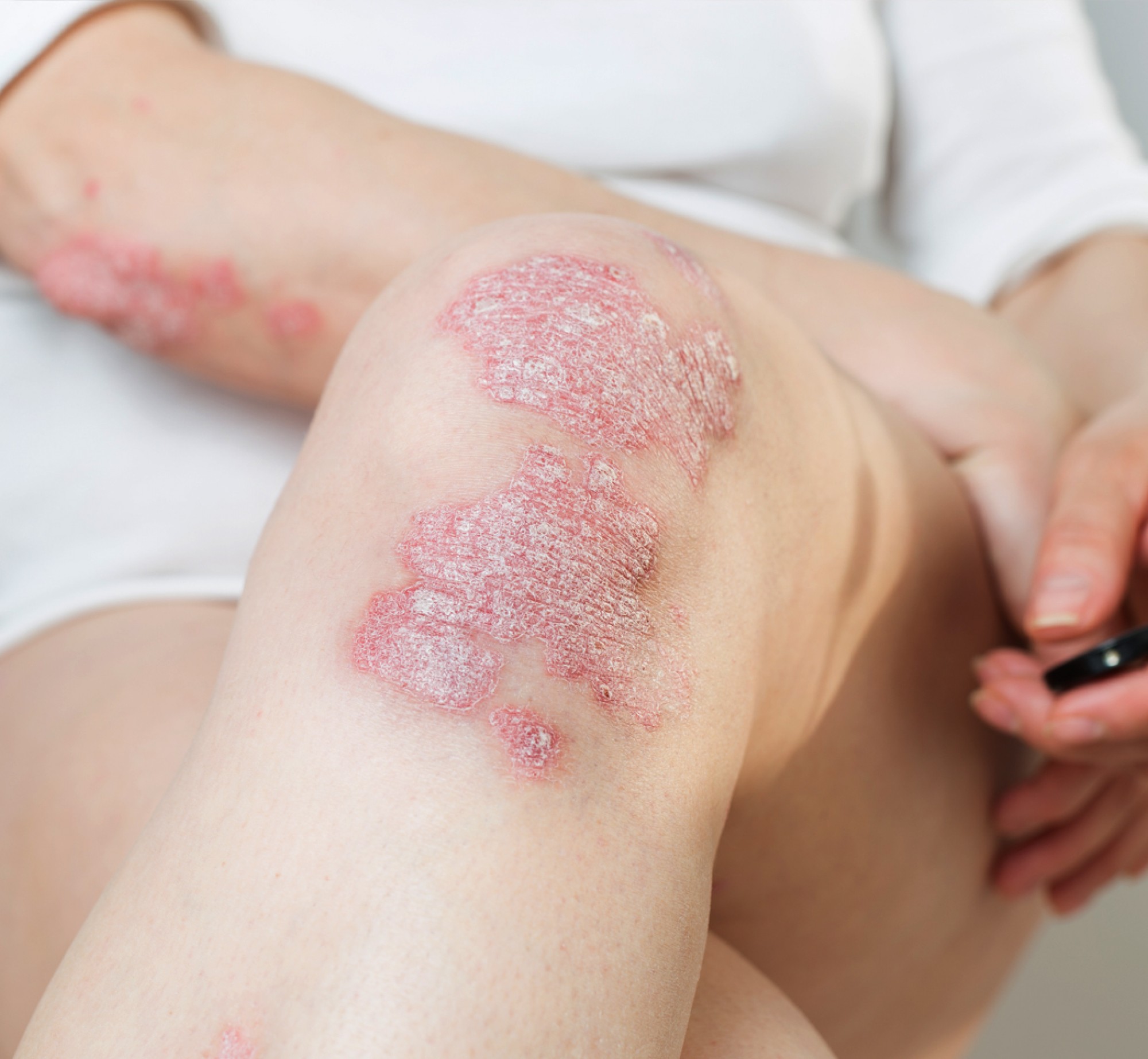
The trouble is that many of the routines built around chasing this look end up working against the very thing that creates it. Layering multiple active ingredients - retinoids, vitamin C, exfoliating acids - in the same routine, or exfoliating more often than your skin can handle, can wear down the barrier faster than it can repair itself. The result often looks like shine at first, but is closer to irritation: redness, sensitivity, tightness, and breakouts in places you didn't expect.
In other words, the glow everyone's chasing and the damage a lot of people are unknowingly causing can look surprisingly similar on the surface, which makes it easy to keep pushing a routine that isn't actually helping.
Signs Your Barrier May Be Under Stress
A few patterns tend to show up when a skincare routine has gone further than the skin can tolerate:
• Stinging or burning with products that never used to bother you
• Tightness after cleansing, even with a mild cleanser
• New redness or blotchy patches
• Breakouts appearing in areas that aren't your usual trouble spots
• Skin that looks shiny but feels rough, tight, or uncomfortable
• Increased sensitivity to sun exposure
• Ongoing flaking or peeling despite regular moisturizing
None of these mean something is seriously wrong, but they are your skin's way of asking for a step back, not a step further.
A Few Other Things Worth Knowing
Not all "glow" routines are created equal.
Hydration-focused steps, a gentle cleanser, a humectant serum with something like hyaluronic acid, a moisturizer that actually locks that hydration in, and daily SPF — support the barrier. Exfoliating acids, retinoids, and vitamin C are all genuinely effective ingredients, but they're barrier-taxing by nature, which is exactly why they need to be introduced one at a time and given room to be tolerated.
Your skin barrier changes with the seasons.
A routine that felt fine in the summer humidity can suddenly feel abrasive once the air turns dry in the fall and winter. If your skin has started reacting to a routine that "used to work," seasonal shifts are often part of the story, not just the products themselves.
Skin cycling isn't a bad idea, it's just often misapplied.
The concept of alternating active-ingredient nights with recovery nights is genuinely rooted in good dermatologic principles. The problem is that most viral versions skip the recovery part entirely, or apply the same cycle to every skin type regardless of sensitivity, which defeats the purpose.
Barrier repair takes longer than barrier damage.
It can take a few weeks of aggressive layering to compromise the skin barrier, but restoring it typically takes six to eight weeks of consistent, gentle care. Patience in the recovery phase matters just as much as patience in the routine itself.
Why This Is Worth Getting a Professional Opinion On
Skincare trends move fast, and they're rarely built with any one person's skin in mind. What works beautifully for one skin type can be genuinely harmful for another, and it's not always obvious from the outside which category a given routine falls into. That's where a trained eye makes the difference — not to tell you trends are bad, but to help you understand what your specific skin can actually handle, and what it needs to recover if it's already under stress.
At Springs Dermatology MD, we help patients build routines that work with their skin, not against it. Whether the concern is persistent acne, eczema-related sensitivity, or uneven pigmentation, we focus on what is happening beneath the trend and at the barrier level.
What to Expect If You Come In
A barrier concern doesn't require an intimidating visit. Typically, it starts with a conversation about your current routine, a look at what your skin is showing us, and a plan to simplify and repair where needed — often before adding anything new back in. From there, we can help you reintroduce actives gradually, at a pace your skin can actually tolerate, so you're building toward healthy, resilient skin rather than chasing a look that fades as fast as it appeared.
If your routine has started to feel like more effort for less reward, that's usually a sign it's time to simplify, and we're here to help you figure out exactly where to start.
Ready to find out what your skin actually needs?
Schedule a consultation with any of our physician and let's build a routine that's right for you.